Как инвестировать в акции: руководство для начинающих
Купить акцию — значит стать владельцем маленькой доли реальной компании, и на длинном горизонте это один из самых надёжных способов, которыми обычные люди наращивали капитал. Разбираем, как начать инвестировать в акции с умом: какой счёт открыть, чем полезен ИИС и какие привычки важнее, чем угадать удачную бумагу.
Короткий ответ: акция — это доля в компании#
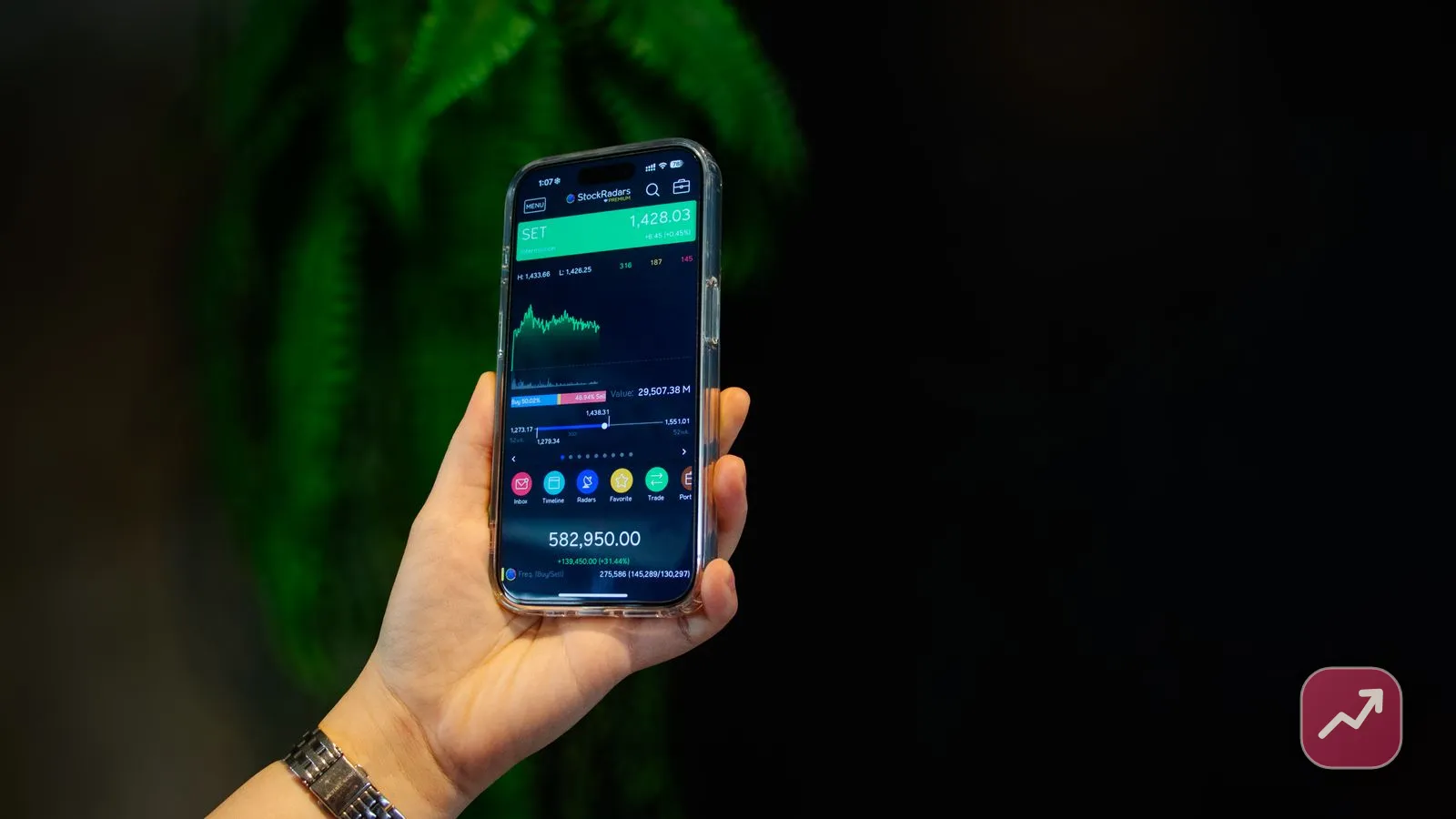
Уберите жаргон, и акция окажется простой вещью: это маленькая доля собственности в реальной компании. Купив акцию, вы становитесь владельцем частички всего, что эта компания создаёт и зарабатывает. Когда бизнес со временем дорожает, растёт и ваша акция; многие компании вдобавок делятся частью прибыли в виде дивидендов. В этом весь механизм: вы не играете против экрана, а становитесь совладельцем бизнеса. Основы устройства рынка поясняет Википедия о фондовом рынке.
На длинных отрезках владение широкой корзиной акций было одним из самых надёжных способов для обычных людей нарастить капитал — именно потому, что оно вбирает рост всей экономики. Это не способ быстро разбогатеть: цены не только растут, но и падают, порой резко. Но при достаточном горизонте направление было вверх. Мастерство не в том, чтобы предсказать следующую неделю, а в том, чтобы оставаться в рынке годами.
В этой статье — то, что действительно нужно для старта: зачем инвестировать, покупать отдельные акции или фонды, какой счёт открыть и горстка привычек, которые важнее выбора удачной бумаги. Важная оговорка: это общая информация, а не инвестиционная рекомендация, и любые вложения несут риск; никогда не вкладывайте деньги, которые скоро понадобятся или которые не можете позволить себе потерять.
- Акция — это доля собственности — в реальном прибыльном бизнесе.
- Время важнее момента — годы в рынке значат больше, чем угаданный день.
- Счёт имеет значение — ИИС оставляет больше прибыли вам за счёт вычета.
- Фонды лучше угадывания — новичку подходит широкий индексный фонд.
Зачем вообще инвестировать в акции#
Альтернатива инвестициям — держать деньги наличными, а наличные тихо теряют в цене. Поскольку цены со временем растут, деньги «под матрасом» или на счёте с низкой ставкой каждый год покупают меньше — об этой эрозии мы пишем в статье как защитить деньги от инфляции. Исторически акции обгоняли инфляцию с большим запасом, превращая сбережения в реальный рост, а не в медленно тающую кучку.
Вторая причина — сложный процент. Реинвестированная прибыль приносит собственную прибыль, и за десятилетия этот снежный ком делает основную работу — эффект, который мы разбираем в статье как сложный процент создаёт капитал. Скромная сумма, вложенная регулярно смолоду, может обогнать куда большую, вложенную поздно, лишь потому что у неё было больше времени на рост. Поэтому лучший день, чтобы начать, — обычно как можно раньше.
Отдельные акции или фонды?#
Вот решение, которое ставит в тупик большинство новичков, и ответ обнадёживает: угадывать отдельные бумаги не нужно. Покупка отдельных акций — это ставка на то, что одна компания преуспеет, а это концентрирует риск: споткнётся она — споткнётесь и вы. Стабильно выбирать победителей трудно даже профессионалам, большинство из которых не обыгрывают рынок на дистанции.
Более простой и подкреплённый данными путь — индексный фонд с низкой комиссией (в России это биржевые ПИФы, БПИФ), который разом покупает крошечные доли сотен компаний. Вы получаете доходность рынка, мгновенную диверсификацию и минимальные комиссии, не угадывая ни одного бизнеса. Разницу между видами фондов мы разбираем в статье индексные фонды против ETF; для большинства начинающих широкий индексный фонд — вариант по умолчанию, а отдельные акции — небольшое необязательное дополнение.
Где держать акции: брокерский счёт и ИИС#
Прежде чем что-то покупать, выберите счёт. Инвестировать в акции в России можно через обычный брокерский счёт, открыв его у брокера с доступом на Московскую биржу. О том, как устроены биржевые торги, рассказывает сайт Московской биржи. Но есть и счёт с налоговыми льготами — ИИС (индивидуальный инвестиционный счёт). С 2024 года открывают ИИС нового типа — ИИС-3, который сочетает вычет на взносы и льготу на доход, но требует держать счёт установленный законом срок — сейчас пять лет для счетов, открытых в 2024-2026 годах, — иначе льгота теряется.
Смысл ИИС в том, что государство возвращает часть вложенного (вычет считается с суммы взносов до 400 000 ₽ в год) или освобождает доход от налога, что заметно повышает итоговую доходность. Взамен деньги нужно не выводить в течение срока. Поэтому для длинных целей многие сначала используют лимит ИИС, а всё сверх него держат на обычном брокерском счёте. Подробнее логику счетов для долгих накоплений мы разбираем в статье ИИС или НПФ.
Как начать, по шагам#
Механика проще, чем когда-либо. Откройте счёт у надёжного брокера — сегодня это делается онлайн за несколько минут, а комиссии за сделки с акциями невелики. Пополните счёт, найдите нужный индексный фонд или акцию и подайте заявку на покупку. Это, по сути, весь процесс: купить первую бумагу можно на небольшую сумму. Азы инвестирования доступно объясняет портал Банка России Финкульт.
Сложное здесь — не техника, а поведение. Начните с суммы, потерю которой не почувствуете, привыкните видеть, как она колеблется, и удержитесь от желания постоянно всё менять. Многие настраивают автоматическое ежемесячное пополнение и покупку одного широкого фонда и просто оставляют это работать — и такой скучный подход обычно обыгрывает бесконечную куплю-продажу, к которой склонны новички. Автоматизация ещё и снимает эмоции: деньги вкладываются сами, без соблазна всё бросить при первой же просадке рынка.
Вкладывайте регулярно и дайте время#
Самая надёжная привычка — регулярные вложения (усреднение): инвестировать фиксированную сумму по расписанию, что бы ни происходило на рынке. Когда цены низкие, ваша сумма покупает больше паёв; когда высокие — меньше. Вы перестаёте угадывать идеальный момент (игра, в которой почти никто не выигрывает) и позволяете постоянной автоматической покупке сглаживать колебания.
Это идёт рука об руку с самой трудной дисциплиной — временем в рынке. Рынки падают, иногда резко, и инстинкт продать на просадке — именно то, что фиксирует убыток. История показывает: те, кто оставался вложенным во время обвалов и продолжал покупать, обгоняли тех, кто пытался входить и выходить. Ваш горизонт — ваше главное преимущество: чем он длиннее, тем меньше значат краткосрочные падения.
Диверсифицируйте и соотносите риск с горизонтом#
Диверсификация — самое близкое к «бесплатному обеду», что есть в инвестициях: распределить деньги между множеством компаний, секторов и стран, чтобы ни один провал не потопил вас. Широкий индексный фонд делает это почти автоматически, а добавление облигаций — о них статья как инвестировать в облигации — делает путь ровнее. Цель не в том, чтобы убрать риск, а в том, чтобы получать плату за разумный распределённый риск, а не за концентрированные ставки.
Доля акций должна следовать вашему горизонту. Деньгам, которые понадобятся через пару лет, не место в акциях, где они могут просесть как раз к нужному моменту. Деньги, которые вы не тронете десятилетиями, способны переждать колебания и должны сильно склоняться к акциям. Согласовать одно с другим — длинные деньги в акции, короткие в наличные или облигации — и есть большая часть грамотного инвестирования.
Следите за комиссиями#
Комиссии кажутся мелочью, но это не так. Фонд, берущий 1% в год вместо 0,1%, стоит вам не 0,9%: за десятилетия он тихо съедает пятую часть итогового капитала и больше, потому что каждый удержанный рубль — это рубль, который так и не сложился в проценте. Это самый сильный аргумент в пользу дешёвых индексных фондов против дорогих активно управляемых.
Поэтому смотрите на комиссию за управление любого фонда, избегайте продуктов, обвешанных лишними платами за посредничество, и с осторожностью относитесь к тому, что вам настойчиво продают. Арифметика беспощадна: из двух фондов, держащих почти одно и то же, дешёвый почти всегда выигрывает на дистанции. Издержки — единственная часть вашей доходности, которую вы реально контролируете.
Налоги, коротко#
Полезно знать, как облагаются ваши вложения. В России доход от продажи акций и дивиденды облагаются НДФЛ по инвестиционной шкале — 13%, а с крупных сумм 15%; полная трудовая прогрессия до 22% к ним не применяется. Подробнее — в статье налог с продажи акций.
Уменьшить налог помогают две вещи. Первая — ИИС с его вычетами. Вторая — льгота на долгосрочное владение (ЛДВ): если держать бумаги на брокерском счёте от трёх лет, доход от их продажи в пределах установленного лимита (3 млн рублей за каждый год владения) освобождается от НДФЛ. Дивиденды под эту льготу не подпадают. Поэтому длинный горизонт выгоден не только из-за сложного процента, но и по налогам.
О рисках честно#
Прежде чем вкладываться, важно трезво понимать риски. Акции не гарантируют доход: цена может надолго упасть, а отдельная компания — вовсе обесцениться. Российский рынок к тому же более узкий и волатильный, чем крупные зарубежные, и сильнее зависит от нескольких отраслей и геополитики. В последние годы инвесторы столкнулись и с инфраструктурными рисками — блокировками и ограничениями по некоторым бумагам, — так что диверсификация и осторожность здесь особенно уместны.
Это не повод не инвестировать, но повод делать это разумно: вкладывать только свободные деньги, не брать на бирже кредитных плеч, держать подушку безопасности отдельно и не гнаться за «горячими» идеями. Широкий набор бумаг, длинный горизонт и трезвые ожидания снижают риск куда надёжнее, чем попытки угадать движение рынка. Инвестиции в акции — это марафон, а не спринт, и спокойный, скучный подход обычно оказывается и самым безопасным для вашего капитала.
Ошибки новичка#
Ни одна не редкость. Это обычные промахи, которые стоят новым инвесторам денег и уверенности, и каждый из них предотвратим.
- Пытаться угадать момент — регулярные вложения обыгрывают ожидание «идеального» входа.
- Гоняться за советами и отдельными акциями — концентрация ранит новичков.
- Продавать в панике на падении — так бумажный убыток становится настоящим.
- Игнорировать комиссии — высокая плата складывается против вас.
- Забывать про ИИС и ЛДВ — вы отдаёте налоги, которые могли бы сберечь.
- Вкладывать деньги, нужные скоро — коротким деньгам не место в акциях.
Итог#
Инвестировать в акции — это не игра против экранов, а превращение в долгосрочного совладельца экономики, и выигрышный подход приятно скучен. Откройте счёт (по возможности ИИС), купите широкий индексный фонд с низкой комиссией, вкладывайте фиксированную сумму регулярно, следите за издержками и дайте этому годы, а не недели. Это, по сути, почти всё.
Трудна не механика, которую осваивают за вечер, а терпение оставить хороший план в покое, пока заголовки кричат. Начните с малого, если нужно, но начните, и позвольте времени и сложному проценту сделать работу, которую не осилит никакая ловкая торговля. Лучшие инвесторы — обычно те, кто сделал меньше, а не больше. Спокойствие и регулярность здесь ценнее любой рыночной интуиции.
Часто задаваемые вопросы
Часто задаваемые вопросы
Гораздо меньше, чем думают. Счёт у брокера открывают онлайн за несколько минут, комиссии за сделки невелики, а купить можно недорогой пай фонда или одну акцию, так что стартовать реально с небольшой суммы. Важнее не стартовый капитал, а привычка: вкладывать небольшую фиксированную сумму регулярно выгоднее, чем ждать, пока накопится крупный капитал. Начните с денег, которые не понадобятся скоро, и увеличивайте по мере роста уверенности.
Образовательный материал — не персональная финансовая консультация.
Читать далее
Как инвестировать в ПИФы: паевые фонды, комиссии и налоги
Как инвестировать в ПИФы: что такое паевой инвестиционный фонд, как он работает, комиссии, которые съедают доходность, индексные БПИФ против активных фондов, как держать паи через брокерский счёт или ИИС, налоги и льгота за долгое владение (ЛДВ), и как купить первый пай.
ESG-инвестиции: что это и стоит ли этим заниматься в России
ESG-инвестиции в России и мире: что такое устойчивое инвестирование, почему в России оно развито слабо и просело после 2022 года, что есть на деле (зелёные облигации на Мосбирже, рекомендации ЦБ), снижает ли ESG доходность, как распознать гринвошинг и как подойти к теме трезво.
Робоэдвайзеры и автоследование: доверить инвестиции алгоритму?
Робоэдвайзеры и автоследование в России: почему полноценных робоэдвайзеров почти нет, чем их заменяют автоследование и доверительное управление у брокеров, при чём тут ИИС-3 с 2024 года, о чём предупреждает ЦБ, почему нет гарантии АСВ и кому это подходит.