Robo-Advisors Explained: Are They Worth It?
A robo-advisor promises to do the hardest part of investing for you: build a sensible, diversified portfolio, keep it balanced, and charge a fraction of what a human manager would. For a hands-off investor, that is a genuinely good deal — but the fees, the tax tricks and the fine print vary far more than the slick apps let on, and they look completely different once you cross a border. Here is how robo-advisors actually work, what they cost, and whether one belongs in your plan.
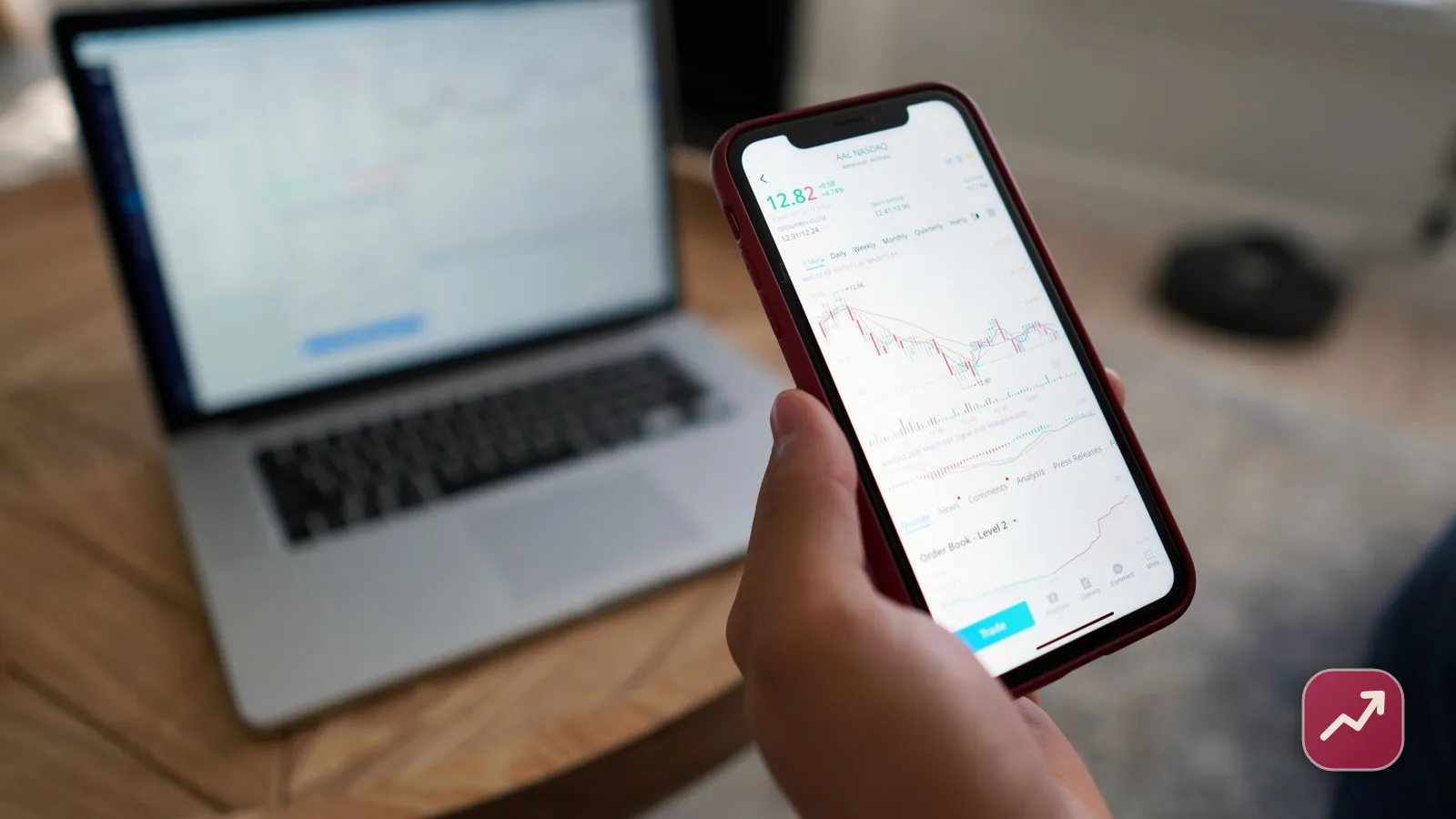
Robo-advisors explained: are they worth it?#
Most people know they should be investing and freeze at the same question: invest in what, exactly? A robo-advisor is built to answer that for you. You spend ten minutes on a questionnaire about your goals and how much risk you can stomach, and the service builds a diversified portfolio, buys it, and quietly keeps it balanced for years — for a fee far below what a traditional manager charges.
For a hands-off investor, that is a genuinely useful deal, which is why the category has grown from a novelty into hundreds of billions under management. But the honest answer to "are they worth it?" is "usually, if you pick the right one" — because the fees, the tax features and the protections behind the friendly app vary more than the marketing admits, and they change completely from one country to the next. This guide is general education, not investment advice.
- A robo-advisor automates investing — it builds and rebalances a diversified portfolio for you.
- Fees run about a quarter of a percent a year in the US, versus roughly 1% for a human advisor.
- It manages the mechanics, not your emotions — it will not talk you out of panic-selling.
- Cheaper than a human, pricier than pure DIY with index funds.
What a robo-advisor actually is#
A robo-advisor is an automated, algorithm-driven investment service. After your risk questionnaire, it assigns you a target mix of low-cost index funds and ETFs — say, a global spread of stocks and bonds — then buys that mix, reinvests your dividends, and rebalances back to target when markets drift, all without you lifting a finger. An overview of the robo-advisor model shows how it packages ideas that professionals have used for decades into an app.
The core insight it sells is not stock-picking genius; it is discipline. Most investors underperform because they tinker, chase last year’s winner, or sell in a panic. A robo removes those temptations by automating a boring, diversified, long-term plan. Understanding what it holds — the difference between index funds and ETFs — makes it much easier to judge whether a given robo is actually giving you something good.
How much a robo-advisor costs#
Cost is where robo-advisors earn their reputation. A typical US robo charges a management fee of around 0.25% a year — twenty-five dollars per ten thousand invested — compared with the roughly 1% a traditional human advisor charges. On top of that you pay the expense ratios of the underlying funds, usually another 0.05% to 0.15%, so your realistic all-in cost usually lands around 0.3% to 0.4% a year — roughly a third of what a 1% human advisor charges.
That gap sounds trivial and is anything but. Because fees compound against you exactly as returns compound for you, paying 1% instead of 0.25% can quietly cost you a six-figure sum over an investing lifetime, as the maths of compound growth makes brutally clear. A few providers, such as Schwab’s, advertise no advisory fee at all, but pay for it by parking a chunk of your money in low-yield cash — a hidden cost worth checking.
What you actually get: rebalancing and tax tricks#
Beyond building the portfolio, a good robo-advisor does three unglamorous but valuable jobs. It rebalances automatically, selling what has grown too big and buying what has shrunk, so your risk level stays where you chose it. It reinvests dividends so nothing sits idle. And in a taxable account, many robos run tax-loss harvesting.
Tax-loss harvesting means the software automatically sells an investment that is temporarily down, books the loss to offset taxable gains elsewhere, and immediately buys a similar (but not identical, to respect the 30-day wash-sale rule) fund to keep you invested. Done well it can add a little after-tax return each year. One caveat: it only helps in taxable accounts, not tax-sheltered retirement accounts, where there are no gains to offset.
Robo-advisor versus a human financial advisor#
The obvious rival is a flesh-and-blood adviser, and the honest comparison is about what you are paying for. A robo-advisor does the investment mechanics — allocation, rebalancing, tax efficiency — extremely well and cheaply. What it cannot do is sit with you through a market crash, untangle a messy inheritance, coordinate your taxes and estate, or talk you out of a costly mistake at 2 a.m.
That is exactly what a good human is for, and whether you need one is a question of complexity and temperament rather than wealth, as our guide on whether you need a financial advisor lays out. Many providers now split the difference with "hybrid" plans that pair the robo engine with access to human planners for a higher fee and a higher minimum — a reasonable middle path as your life gets more complicated.
Robo-advisor versus doing it yourself#
On the other side sits the cheapest option of all: building the same portfolio yourself. A robo mostly buys a handful of broad index funds and rebalances them — something a disciplined investor can replicate with a single low-cost target-date or all-in-one fund for close to nothing, keeping even the 0.25% for themselves.
So the real question is whether the robo’s convenience and automation are worth that small fee to you. If you will actually rebalance on schedule, resist tinkering, and not panic in a downturn, learning to invest yourself is the lowest-cost path. If you know you will procrastinate or meddle, paying a quarter of a percent for a machine that never skips a step is money well spent. There is no shame in the second answer.
The main US robo-advisors#
The US market is crowded but a handful dominate. Betterment and Wealthfront are the big independents, both built around low fees, automatic rebalancing and tax-loss harvesting, with minimums near zero to a few hundred dollars. The brokerage giants followed: Schwab Intelligent Portfolios (no advisory fee, but a required cash allocation), Vanguard Digital Advisor, and Fidelity Go each fold a robo into a wider ecosystem.
They differ in the details that matter — the minimum to open, whether tax-loss harvesting is included, the size of any cash drag, and whether you can talk to a human. A robo can also wrap different account types: an ordinary taxable account, or a tax-advantaged retirement account, which is why it pays to understand your retirement account options before you pick one. Choose on total cost and features, not the friendliest app.
Is your money safe with a robo-advisor?#
Two different risks hide behind that question. The first is the firm failing or committing fraud; here you are reasonably protected, because US robo-advisors hold your assets at regulated custodians and are covered by SIPC insurance up to $500,000 if the brokerage collapses. They are registered investment advisers with a legal fiduciary duty to act in your interest, overseen by the SEC and FINRA, as the regulator’s own guide to robo-advisers explains.
The second risk is the one no insurance touches: markets fall. SIPC protects you if the company holding your shares goes bust; it does nothing if your diversified portfolio drops 20% in a bad year, which it periodically will. A robo does not make investing safe from losses — it makes a sensible, diversified plan easy to stick to, which is a different and more realistic kind of protection.
Who should use a robo-advisor — and who should not#
A robo-advisor fits a specific person well: someone with a straightforward situation, a long time horizon, and no desire to manage investments by hand. New investors, busy professionals, and anyone who has been "meaning to start" for years are the natural fit, because the robo turns an intimidating job into a ten-minute sign-up.
It is a poor fit if your finances are genuinely complex — business income, concentrated stock, estate questions — where a human’s judgement earns its fee, or if you enjoy investing and will happily do it yourself for less. And it is the wrong first step if you have no cushion: build your emergency fund and clear high-interest debt before investing a cent, robo or not. The tool is only as good as the plan underneath it.
How to choose a robo-advisor#
Comparison comes down to a short, unglamorous checklist. Look first at the total annual cost — the management fee plus the underlying fund fees — because that is the one number you control and it compounds for decades. Check the minimum to open, whether tax-loss harvesting is included in taxable accounts, and how large any cash allocation is, since idle cash quietly drags returns.
Then look at fit: does it offer the account types you need, can you reach a human when life gets complicated, and is the underlying portfolio genuinely diversified and low-cost rather than stuffed with the provider’s own pricey funds? A robo-advisor is a long-term relationship measured in decades, so a fractional difference in fees or a better tax feature matters far more than a slicker interface or a sign-up bonus. For a neutral, non-commercial checklist of what to compare, bodies like FINRA publish plain-English guidance on robo-advisors.
Robo-advisors in Canada#
North of the border the model is the same but the names change. Wealthsimple is the dominant Canadian robo-advisor by a wide margin, with Questwealth Portfolios from Questrade a lower-cost rival. Fees vary more than the US — very roughly 0.2% to 0.5% a year plus the underlying ETF costs (Questwealth sits near the bottom of that range, Wealthsimple near the top) — still far below a traditional adviser.
The wrappers are Canadian: a robo can hold your investments inside a TFSA, an RRSP or the newer FHSA for tax advantages, or a taxable account. Investor protection comes from CIPF rather than SIPC, covering firm failure up to CAD $1 million per account category but, as always, not market losses. The decision framework is identical to the US one — weigh total cost, features and your own temperament — even though the acronyms differ.
The bottom line#
A robo-advisor is one of the better things to happen to ordinary investors in a generation: it delivers a disciplined, diversified, automatically managed portfolio for a fee that would have been unthinkable a decade ago. For most hands-off investors with a straightforward situation, it comfortably beats both an expensive human advisor and a good-intentions-only DIY plan that never quite happens.
It is not magic. It will not protect you from market falls, replace real financial planning when your life gets tangled, or beat a disciplined do-it-yourselfer on price. Judge it on the numbers that last — the total fee, the tax features, the protections and the fit — rather than the app’s polish. Get those right, automate the boring parts, and you have removed most of the excuses that keep people from investing at all.
Frequently asked questions
Frequently asked questions
For most hands-off investors with a reasonably straightforward situation, yes. A robo-advisor delivers the thing that actually drives long-term results — a diversified, low-cost portfolio that is rebalanced consistently and left alone — for a fee that is a fraction of a traditional human advisor’s. In the US that fee is typically around 0.25% a year plus the underlying fund costs, versus roughly 1% for a human, and because fees compound against you over decades, that difference alone can be worth a large sum by retirement. The robo also removes the two things that quietly wreck most people’s returns: procrastination (it turns starting into a ten-minute sign-up) and meddling (it automates rebalancing so you are not tempted to tinker). That said, "worth it" depends on the alternative you are comparing against. Versus an expensive human advisor for simple needs, a robo usually wins on cost. Versus doing it yourself with a single low-cost target-date or all-in-one index fund, the robo is slightly more expensive, so if you are disciplined enough to rebalance and not panic, DIY is cheaper still. And a robo is not worth it if your situation is genuinely complex — business income, concentrated stock, estate planning — where a human’s judgement earns its higher fee, or if you have no emergency fund and high-interest debt, in which case you should not be investing yet at all. Judge a specific robo on its total annual cost, whether it includes useful features like tax-loss harvesting in taxable accounts, its account options and its investor protections, rather than on how polished the app looks.
Educational content — not personalised financial advice.
Read next

How to Invest in Mutual Funds: Funds, Fees and Taxes Explained
How to invest in mutual funds, explained simply: what a fund is, how it works, the fees that eat returns, active vs index funds, mutual funds vs ETFs, which account to hold them in, how they are taxed, and how to buy your first one — with how Canada and Europe differ.

ESG Investing Explained: Is Sustainable Investing Worth It?
ESG and sustainable investing explained: what ESG means, the main approaches, whether it hurts your returns, the greenwashing and cost traps, how US funds are regulated, the anti-ESG backlash, how to invest sustainably, and how Europe and Russia differ.

How to Invest in Gold: Ways, Costs and the Tax You Owe
How to invest in gold: the main ways to own it (physical bullion, gold ETFs, mining stocks and a gold IRA), the premiums and storage costs to watch, why the IRS taxes physical gold as a collectible at up to 28%, how much of a portfolio gold deserves, and how the rules differ in Canada.