Fondos de inversión: cómo invertir, comisiones y fiscalidad
Los fondos de inversión son la forma más sencilla de tener una cartera diversificada y gestionada por profesionales con una sola compra, sin elegir acciones una a una. Y en España tienen una ventaja poco conocida y muy potente: puedes traspasar tu dinero de un fondo a otro sin tributar hasta que reembolsas de verdad. Pero invertir bien en fondos —elegir los baratos, aprovechar el traspaso y entender cómo tributan— es lo que separa un fondo que crea patrimonio de otro que se lo come en comisiones. Aquí verás qué es un fondo, cómo funciona, cuánto cuesta y cómo empezar.
Fondos de inversión: por dónde empezar#
Hay una razón por la que los fondos de inversión mueven billones de euros de ahorradores corrientes: con una sola compra tienes una cartera diversificada y gestionada por profesionales, sin necesidad de estudiar y elegir acciones una por una. Son, con diferencia, el vehículo más popular para invertir a largo plazo, y en España cuentan además con una ventaja fiscal poco conocida y muy potente.
Pero saber cómo invertir en fondos de inversión bien es distinto de simplemente tener uno. Elegir fondos baratos, aprovechar el traspaso y entender cómo tributan es lo que separa un fondo que crea patrimonio de otro que se lo come en comisiones. Esta guía explica qué es un fondo, cómo funciona, cuánto cuesta de verdad, cómo tributa y cómo comprar el primero. Es información general, no asesoramiento de inversión.
- Un fondo de inversión reúne dinero de muchos partícipes para comprar una cartera diversificada.
- Las comisiones importan más que casi nada: un 1% anual, compuesto durante décadas, es una fortuna.
- Puedes traspasar entre fondos sin tributar hasta que reembolsas: la gran ventaja española.
- Los fondos indexados suelen batir a los activos tras comisiones, por una fracción del coste.
Qué es en realidad un fondo de inversión#
Un fondo de inversión es un patrimonio formado con el dinero de muchos inversores (los partícipes) que una gestora invierte en su nombre, normalmente en decenas o cientos de acciones, bonos o ambos. Al invertir, compras participaciones del fondo y, por tanto, posees una pequeña porción de todo lo que contiene. Una visión general del fondo de inversión muestra que es uno de los pilares del ahorro desde hace casi un siglo.
El atractivo es la diversificación instantánea y la sencillez. En vez de comprar veinte empresas tú mismo, compras un fondo y quedas expuesto a todas, con la compraventa y la administración resueltas por ti. Por eso los fondos dominan el ahorro a largo plazo, y por eso conviene entenderlos aunque nunca pienses comprar una acción suelta. A cambio pagas una comisión anual por el servicio, y esa comisión es la mayor palanca sobre tu rentabilidad a largo plazo.
Cómo funciona: participaciones, valor liquidativo y gestora#
Un fondo de inversión se valora una vez al día. Al cierre del mercado, el fondo suma el valor de todo lo que tiene, resta los gastos y lo divide entre el número de participaciones para publicar un único precio, el valor liquidativo. Compras y reembolsas a ese precio de cierre, no al precio que cambia segundo a segundo de una acción. Esa es la diferencia mecánica principal frente a un ETF.
La gestora administra la cartera según el objetivo declarado del fondo: renta variable global, renta fija, un fondo que replica un índice, etc. Para el inversor, la clave es que un fondo es una decisión sobre toda una estrategia, no una apuesta por una empresa, lo que lo convierte en una posición central natural. Si dudas entre fondos y comprar acciones directamente, nuestra guía sobre cómo invertir en bolsa cubre la otra cara de esa elección.
Fondos indexados frente a fondos de gestión activa#
Los fondos vienen en dos grandes familias, y elegir entre ellas es lo más importante que decidirás. Un fondo activo tiene un gestor que intenta batir al mercado eligiendo valores, y pagas más por ese esfuerzo. Un fondo indexado simplemente replica un índice (como el S&P 500 o el MSCI World) a un coste muy bajo, sin intentar ser más listo que nadie. Décadas de datos muestran que, tras comisiones, la mayoría de los fondos activos no baten a su índice a largo plazo.
Eso no hace inútiles a los activos, pero sí pone la carga de la prueba de su lado, y sus comisiones más altas son un lastre real. Para quien construye patrimonio a largo plazo, un fondo indexado barato es la opción por defecto sensata. La elección entre un fondo indexado y su primo cotizado la vemos en nuestra comparación de fondos indexados vs ETF; en resumen, son parientes cercanos con diferencias pequeñas pero reales.
Las comisiones que se comen tu rentabilidad#
Todo fondo de inversión cobra una comisión de gestión anual, expresada como un porcentaje de tu dinero, y a menudo una de depósito. Parece poco —desde alrededor del 0,1% en un indexado barato hasta el 1,5% o más en uno activo—, pero a lo largo de una vida inversora no lo es en absoluto: como se descuenta cada año y pierdes también lo que ese dinero habría compuesto, la diferencia entre un fondo al 0,2% y otro al 1,5% puede costarte una cifra de cinco o seis dígitos.
La ley fija topes a estas comisiones, pero dentro de ellos hay muchísima diferencia, así que compararlas es esencial. Desconfía también de comisiones de suscripción o reembolso que algunos fondos aplican. El portal de educación financiera del supervisor y el Banco de España ayuda a entender y comparar estos costes. La regla es tajante: en igualdad de condiciones, cuanto menor es la comisión, más rentabilidad del mercado te quedas.
La gran ventaja española: el traspaso sin tributar#
Aquí está la característica que hace especiales a los fondos de inversión en España. Puedes traspasar tu dinero de un fondo a otro sin tributar por las ganancias en el momento del cambio: el fisco pospone el impuesto hasta que reembolsas de verdad y sacas el dinero. En la práctica, puedes cambiar de estrategia, de gestora o de un fondo caro a uno barato sin que Hacienda te pase factura por el camino.
Es una ventaja enorme frente a acciones o ETF, donde vender para cambiar sí genera una ganancia que tributa al instante. El traspaso permite que tu dinero siga componiendo íntegro durante décadas y que solo pagues impuestos al final. La supervisión de todo el sector —gestoras, depositarios y folletos— corresponde a la CNMV, cuyo registro conviene consultar antes de contratar cualquier fondo para verificar que está debidamente registrado.
Cómo tributan los fondos en el IRPF#
Mientras no reembolses, un fondo de inversión no tributa, gracias al traspaso. La factura fiscal solo llega cuando vendes tus participaciones y sacas el dinero: la ganancia (la diferencia entre lo que recuperas y lo que invertiste) se integra en la base del ahorro del IRPF, con retención a cuenta en el momento del reembolso.
La base del ahorro va por tramos: en 2026, en torno al 19% hasta 6.000 €, 21% de 6.000 a 50.000, 23% de 50.000 a 200.000, 27% de 200.000 a 300.000 y 30% por encima. Como solo tributas al final y sobre la ganancia, el diferimiento del traspaso es muy valioso. Los detalles de cómo se calcula una ganancia patrimonial están en nuestra guía sobre cómo tributan las plusvalías. Conviene planificar los reembolsos con cabeza, porque concentrarlos puede empujarte a un tramo más alto.
Fondos frente a ETF, y cómo elegir#
Un fondo de inversión y un ETF pueden replicar el mismo índice y tener las mismas acciones; las diferencias están en la fontanería. El ETF cotiza durante toda la sesión como una acción; el fondo se valora una vez al día. Pero en España hay un matiz decisivo: el traspaso sin tributar se aplica a los fondos, y con los ETF es más limitado, lo que inclina la balanza hacia los fondos indexados para muchos inversores de aquí.
Al elegir un fondo, repasa una lista corta: la comisión (cuanto más baja, mejor), si es indexado o activo (indexado como opción segura), qué contiene y si encaja con tu plan, y si tiene comisiones de entrada o salida (evítalas). Si prefieres que alguien seleccione por ti, un robo-advisor te monta una cartera de fondos indexados barata, y nuestro artículo sobre si necesitas un asesor financiero sopesa esa opción frente a hacerlo tú.
Riesgos y errores que evitar#
Un fondo de inversión está diversificado, pero no es libre de riesgo: un fondo de renta variable cae cuando cae el mercado, y ningún fondo te libra de un mal año. La diversificación elimina el riesgo de que una sola empresa te hunda, no el riesgo de mercado. Ajusta el riesgo del fondo a tu horizonte: más bolsa cuanto más lejos esté el objetivo, más renta fija a medida que se acerca el momento de usar el dinero.
Los errores caros son de comportamiento. Perseguir el fondo más rentable del año pasado, pagar comisiones altas por una gestión activa que no cumple, vender presa del pánico en una caída y olvidar que un fondo es una posición a largo plazo erosionan la rentabilidad. Quien mejor lo hace suele elegir un fondo indexado barato y diversificado, seguir aportando en las buenas y en las malas y dejar que el interés compuesto trabaje durante décadas.
Cómo funciona en otros países#
La idea del fondo es universal, pero los detalles cambian. En Estados Unidos, los fondos se guardan en cuentas de jubilación con ventajas fiscales (401(k), IRA) o en cuentas normales, y un fondo puede repartir plusvalías que tributan aunque no vendas. En Canadá, los fondos tienen fama de comisiones altas (cerca del 2% en los activos), lo que ha disparado los ETF baratos dentro de cuentas como el TFSA o el RRSP.
En Francia, los fondos (OPCVM) suelen guardarse dentro de un PEA o un seguro de vida por sus ventajas fiscales. En Rusia, los fondos (los ПИФ) se contratan a través de un bróker o una cuenta de inversión especial, con una exención por mantenerlos varios años. Lo que no cambia en ningún sitio: minimiza comisiones, usa el envoltorio fiscal que ofrezca tu país —en España, el traspaso— y mantén la inversión a largo plazo.
Cómo comprar tu primer fondo#
Empezar es más fácil de lo que parece. Abre una cuenta en una gestora, un banco o un bróker que ofrezca fondos indexados baratos y permita traspasos. Decide una posición central sencilla y de bajo coste, como un fondo indexado global que cubra la bolsa mundial, en vez de agobiarte entre decenas de opciones de nicho. Después, programa aportaciones automáticas mensuales para invertir de forma constante pase lo que pase en los mercados.
A partir de ahí, el trabajo es sobre todo dejarlo estar. Reinvierte, mantén los costes bajos, aporta con regularidad y resiste la tentación de saltar de un fondo a otro persiguiendo rentabilidades. Un fondo de inversión aburrido, barato y diversificado, mantenido veinte o treinta años, ha hecho ricos a más ahorradores corrientes que cualquier operación ingeniosa. Lo difícil no es comprar; es la paciencia posterior.
En resumen#
Un fondo de inversión es la forma más sencilla de tener una cartera diversificada y gestionada, y saber cómo invertir en fondos de inversión se reduce a unas pocas reglas duraderas. Prioriza los fondos indexados baratos frente a los activos caros, porque la comisión es el mayor lastre previsible de tu rentabilidad. Aprovecha el traspaso para cambiar de fondo sin tributar. Y trátalos como un compromiso de décadas, no como una operación.
Hazlo así y los fondos hacen justo aquello para lo que se diseñaron: convertir aportaciones pequeñas y regulares en una participación amplia en el crecimiento de la economía, sin exigirte que te vuelvas un experto en elegir acciones. Baja los costes, aprovecha el traspaso, diversifica y sigue aportando en cualquier mercado. El resto es tiempo.
Preguntas frecuentes
Preguntas frecuentes
Un fondo de inversión es un patrimonio formado con las aportaciones de muchos inversores (llamados partícipes) que una sociedad gestora invierte de forma conjunta en una cartera diversificada de activos: normalmente decenas o cientos de acciones, bonos o una mezcla de ambos. Cuando inviertes en un fondo, compras participaciones, y cada participación representa una porción proporcional de todo lo que el fondo posee; así, con una sola compra tu dinero queda repartido entre todos esos activos. Esa diversificación instantánea es la principal ventaja: reduce el riesgo y te ahorra el trabajo de analizar y comprar inversiones una a una. El funcionamiento tiene varias piezas. La gestora toma las decisiones de inversión según el objetivo del fondo (por ejemplo, replicar un índice mundial o invertir en renta fija europea), y un depositario custodia los activos y vigila a la gestora; todo el sector está supervisado por la CNMV. El fondo se valora una vez al día: al cierre del mercado se suma el valor de la cartera, se restan los gastos y se divide entre el número de participaciones, obteniendo el valor liquidativo, que es el precio al que compras o reembolsas. A cambio de gestionar la cartera, el fondo cobra una comisión de gestión anual (y a veces de depósito), un pequeño porcentaje de tu dinero descontado cada año. Existen dos grandes tipos: los fondos de gestión activa, donde un gestor intenta batir al mercado eligiendo valores (y cobra más por ello), y los fondos indexados, que se limitan a replicar un índice a un coste muy bajo. En España, los fondos tienen además una ventaja fiscal muy potente: puedes traspasar el dinero de un fondo a otro sin tributar por las ganancias hasta que reembolses definitivamente. Por todo ello, son el vehículo más habitual para invertir a largo plazo: sencillos, diversificados y gestionados por profesionales.
Contenido educativo, no asesoramiento financiero personalizado.
Lee a continuación
Inversión sostenible (ESG): qué es y si merece la pena
Inversión sostenible y ESG en España y la UE: qué significa ESG, los artículos 8 y 9 del SFDR, por qué tu asesor debe preguntarte por tus preferencias de sostenibilidad, si baja la rentabilidad, cómo detectar el lavado verde y cómo empezar con fondos indexados sostenibles.
Robo advisors: qué son y si merecen la pena (gestión indexada)
Robo advisors y gestión indexada en España: cómo funcionan Indexa, MyInvestor, Finizens o inbestMe, cuánto cuestan de verdad (~0,4-0,7%), por qué usan fondos indexados y no ETF para aprovechar el traspaso sin tributar, si tu dinero está protegido por el FOGAIN y a quién le conviene.
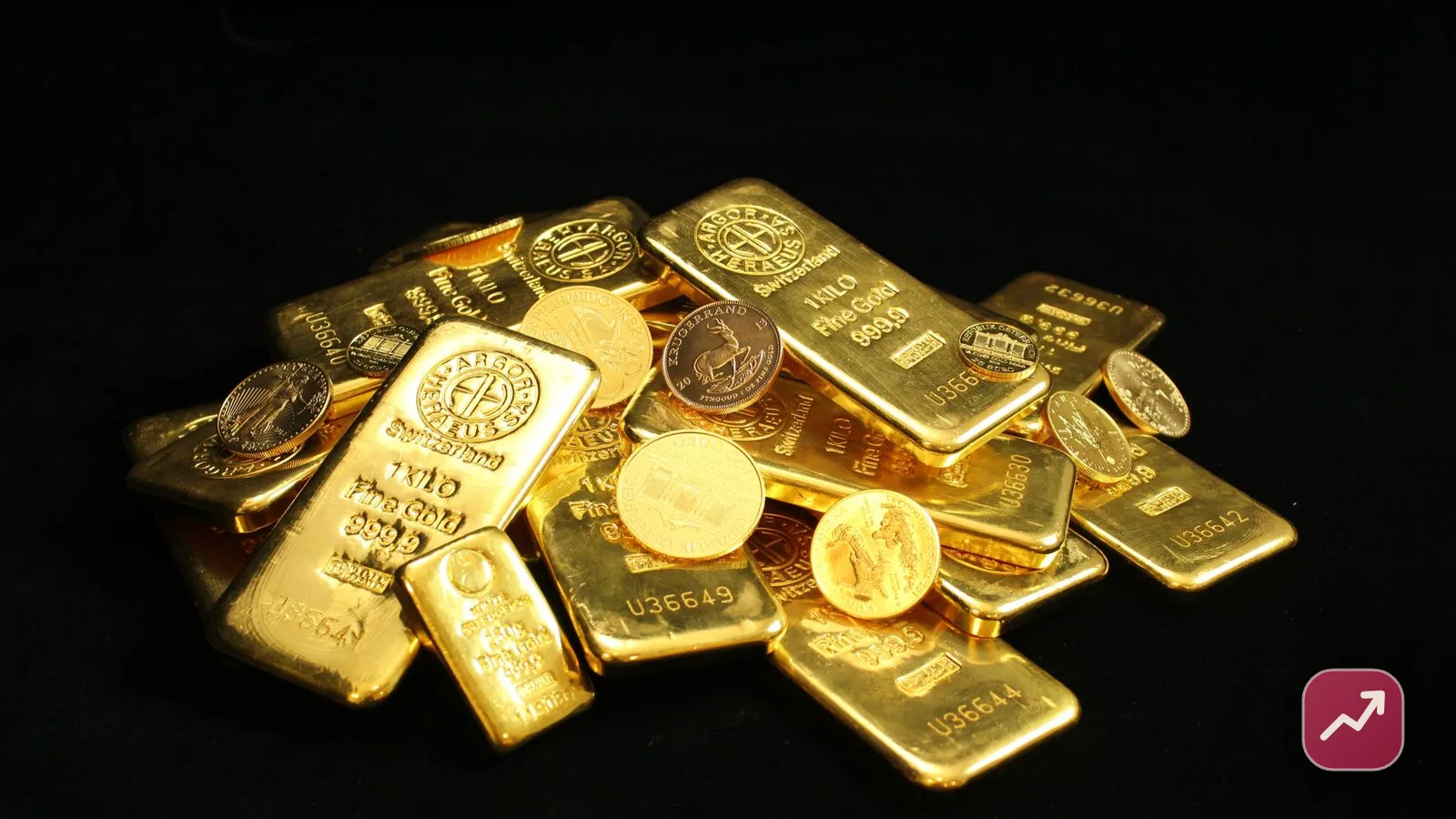
Cómo invertir en oro: formas, costes y cómo tributa
Cómo invertir en oro en España: las formas de hacerlo (oro físico en lingotes y monedas, ETC y fondos de oro, mineras), por qué el oro de inversión está exento de IVA, cómo tributa la ganancia en la base del ahorro del IRPF, cuánto oro conviene tener en la cartera y los costes que debes vigilar.