How to Send Money Abroad Without Overpaying on Fees
Sending money abroad looks simple, but the real cost is usually hidden in the exchange rate rather than the advertised fee. Choose badly and a single transfer can quietly cost you far more than it should. Here is how international money transfers actually work, where providers make their money, and how to send money overseas cheaply, quickly and safely.
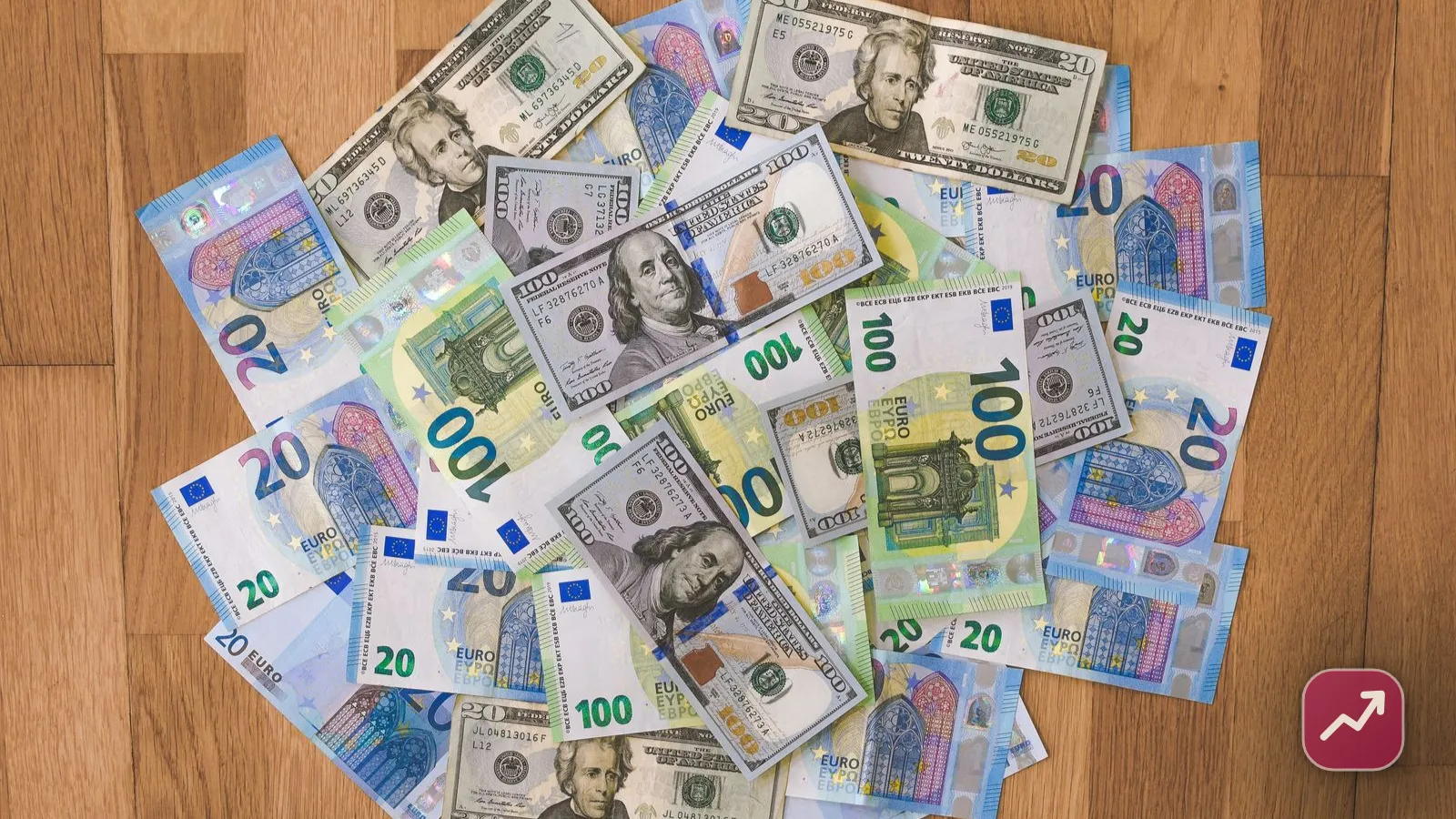
How to send money abroad without overpaying#
Whether you are supporting family overseas, paying for a property abroad, or settling an invoice in another currency, the act of sending money across a border feels like it should be simple. Yet the difference between a good and a bad way to send money abroad can be startling — the same $1,000 can arrive as noticeably different amounts depending on who moves it and how.
The reason is that the headline fee is rarely the real cost. Most of what you pay is hidden in the exchange rate, and once you learn to see it, you can cut the cost of an international money transfer dramatically. This guide explains how cross-border transfers work, where the money goes, and how to send funds overseas cheaply, quickly and safely. As always, this is general education rather than financial advice, and the rules and options differ sharply from one country to the next.
- The exchange rate is the real cost — not the advertised fee.
- Compare against the mid-market rate to see the true markup.
- You have rights — providers must disclose the rate, fees and amount received.
- Transfers are often irreversible — double-check details and watch for scams.
How international transfers actually work#
When you send money overseas through a bank, it usually travels along the SWIFT network, a messaging system that lets banks instruct each other to move funds, as described in the overview of remittances. Because your bank often has no direct relationship with the recipient’s bank, the payment can pass through one or more correspondent banks along the way, each of which may take a cut and add a day to the journey.
Specialist money-transfer services work differently. Rather than pushing your actual money across borders, many hold funds in both countries and simply pay out locally, which is faster and usually cheaper. Understanding this split — the traditional bank-wire route versus the newer specialist services — is the first step to choosing well, because the two can differ enormously in cost and speed for the very same transfer.
The hidden cost: the exchange-rate markup#
Here is the single most important thing to understand. When you convert one currency to another, there is a real, wholesale rate that banks trade at — the mid-market rate you see on a search engine or a financial site. The way most providers make their money is by giving you a slightly worse rate than this and pocketing the difference, a hidden charge known as the exchange-rate markup.
This markup is often far bigger than any upfront fee, which is why a transfer advertised as "zero fee" or "commission free" can still be expensive — the cost is simply buried in a poor rate. A provider might charge no explicit fee but shave 3% or 4% off the exchange rate, which on a large transfer dwarfs a modest flat fee elsewhere. Once you know to look for it, you stop being fooled by "no fee" marketing.
Fees, speed and the total cost#
To judge a transfer properly, add up everything: the upfront fee, the exchange-rate markup, and any charges the intermediary or receiving bank deducts along the way. A transfer can arrive short because a correspondent bank skimmed a fee you never saw, so the amount the recipient actually gets is the only number that really matters.
Speed varies just as much. A traditional international bank wire can take one to five business days as it hops between banks, while many specialist services deliver in minutes or hours, and some routes are near-instant. Faster is not always dearer, so it pays to compare, especially since the cheapest option is frequently also one of the quickest.
Your rights when you send money#
In the United States, consumers are protected by the CFPB remittance rule, which covers most transfers sent abroad. Before you pay, the provider must disclose the exchange rate, the fees, and the exact amount the recipient will receive, and give you a receipt. You also get a short window — generally 30 minutes — to cancel a transfer, and formal error-resolution rights if something goes wrong, as set out in the official guidance on sending money.
These protections are powerful precisely because they force the hidden costs into the open. When a provider has to tell you, up front, exactly how much will arrive, you can compare like with like and spot a bad exchange rate instantly. Reading that disclosure carefully, every time, is one of the simplest ways to avoid overpaying.
Banks versus specialist services#
Broadly, you have two kinds of option. Your bank is convenient and familiar, and for a euro-to-euro payment within Europe or a domestic-style transfer it can be fine, but for converting currency and sending it far, banks are often the most expensive route, combining a fee with a wide exchange-rate markup. Specialist money-transfer services, by contrast, built their businesses on tighter margins and transparency.
The right choice depends on the size, destination and urgency of the transfer, and there is no need to be loyal to one. Many people keep their main bank account for everyday life but use a specialist service for anything crossing a border, precisely because the saving on a single large transfer can be substantial. The point is to compare each time rather than default to whatever is easiest.
How to avoid overpaying#
The method is simple once you know the trick. Before sending, look up the mid-market rate for your currency pair, then compare it with the rate each provider offers; the gap is your real cost, and adding the upfront fee gives you the total. Do this across two or three options and the cheapest is usually obvious.
A few habits help further: send larger amounts less often to spread flat fees thinner, avoid converting currency at airport kiosks or via dynamic currency conversion, and be wary of anything marketed purely on "no fees" without a visible rate. Treat a transfer like any other purchase worth budgeting for, and the savings, especially on regular transfers, add up quickly over a year.
Limits, reporting and the law#
In the US there is generally no legal limit on how much you can send abroad, but large movements of money are monitored under anti-money-laundering rules. Providers report transfers to the authorities, a US business receiving more than $10,000 in cash must file a report, and any US person with foreign financial accounts totalling over $10,000 must file an annual foreign-account report. None of this stops ordinary transfers; it simply means very large ones attract scrutiny and paperwork.
The practical takeaway is to keep records of significant transfers and be ready to show the source and purpose of the funds if asked, particularly for large or unusual amounts. This is not something to fear for a normal transfer to family or a supplier, but it is worth knowing so a routine compliance question does not catch you off guard.
Common money-transfer mistakes#
A handful of avoidable errors quietly cost people money and, sometimes, their whole transfer.
- Falling for "zero fee" while ignoring a poor exchange rate.
- Not checking the mid-market rate to see the real markup.
- Overlooking correspondent-bank charges that shrink the amount received.
- Getting the recipient details wrong on a transfer that cannot be reversed.
- Rushing a payment pushed by someone you have not independently verified.
Transfer scams and staying safe#
Because most international transfers are effectively irreversible once sent, they are a favourite tool of scammers. Imposters posing as a bank, a government, a landlord or an online romantic interest often pressure victims into wiring money urgently, knowing it cannot be clawed back. Any demand to send money fast, secretly, or to a stranger is a red flag, and our guide to avoiding financial scams covers the warning signs.
Protect yourself by verifying the recipient independently before you send, never acting on pressure, and double-checking account details, since a single wrong digit can send money to the wrong place with no way back. Because scammers often use stolen personal information to set these traps, it is worth reading up on identity-theft protection too. When in doubt, slow down — a genuine payment can always wait a few minutes for a check.
Sending money and your wider finances#
Regular international transfers deserve a place in your budget rather than being treated as one-off surprises. If you support family abroad or pay a recurring bill overseas, the cost of moving that money, month after month, is a real line item, and shaving the markup on each transfer can free up a meaningful amount over a year, money better kept in your own budget.
It also pays to think about where your money sits. Keeping funds safe in a well-chosen bank account and only converting when you actually need to, rather than holding foreign currency you might not use, avoids paying the spread twice. A little planning turns cross-border payments from a leak into a managed, predictable cost.
Canada and beyond: it differs by country#
Cross a border and the framework changes. In Canada, the picture is similar, with reporting of transfers of C$10,000 or more, but in Europe the single-currency SEPA system makes euro transfers between member countries as cheap as domestic ones, so the whole calculus is different. And in some countries, notably Russia, sanctions and capital controls have upended cross-border transfers entirely, with major banks cut off from international networks and strict limits on moving money out.
This is one area where the rules genuinely do not travel with you. The cheapest, fastest and even the legally permitted way to send money changes completely depending on where you and the recipient are, so never assume the method that works at home will work abroad. Check the local rules on both ends before moving significant sums across a border.
The bottom line on sending money abroad#
For most people, the secret to sending money abroad well is simply to see the hidden cost. Look past the "no fee" headline, check the offered rate against the mid-market rate, add every charge to find the total, and pick the option that gets the most money to the other end. Do that, and you routinely keep more of your own money.
Impartial financial-education resources can help you understand your rights before you send, and treating transfers as a cost to manage rather than an afterthought keeps them from quietly draining your finances. The tools to send money cheaply and safely across the world have never been better — you just have to know where the real cost hides.
Frequently asked questions
Frequently asked questions
The cheapest way is usually not your bank, and the key to finding it is to look past the advertised fee and focus on the exchange rate. When you send money internationally, most of the cost is hidden in the exchange-rate markup — the gap between the real, mid-market rate that banks trade at and the slightly worse rate you are offered. A transfer advertised as "zero fee" can still be expensive if the provider builds a large margin into the rate, so the only fair way to compare is to check the mid-market rate for your currency pair, see how far each provider’s rate falls short of it, and add any upfront fee to get the true total cost. In general, specialist money-transfer services tend to offer rates much closer to the mid-market rate than traditional banks, which often combine a fee with a wide markup, though the best option depends on the amount, the destination and how fast you need it to arrive. Other ways to keep costs down include sending larger amounts less frequently so flat fees are spread thinner, avoiding currency conversion at airports or through dynamic currency conversion, and always comparing two or three options before sending. The amount the recipient actually receives, not the fee you are quoted, is the number that tells you which option is truly cheapest.
Educational content — not personalised financial advice.
Read next

How to Transfer Money: Bank Transfers and Instant Payments
How to transfer money, explained simply: bank transfers (ACH) vs wires vs instant payments like Zelle and FedNow, how fast and how much each costs, what details you need, why most transfers are irreversible, how to avoid scams — and how Canada, Spain, France and Russia differ.
How Interest Rates Work — and What They Mean for Your Money
How interest rates work, explained simply: what a rate is, who sets it (the Federal Reserve), how a rate change reaches your mortgage, loans, credit cards and savings, why mortgage rates do not follow the Fed, and what to do when rates move — with how Canada, Europe and Russia differ.

How to Switch Bank Accounts Without the Headaches
How to switch bank accounts in the US: why there is no automatic switching service, the safe order of operations (open new, move direct deposit, redirect automatic payments, overlap, then close), how long it takes, what can go wrong, and why France and Spain make switching far easier.