Identity Theft Protection: How to Guard Your Identity and Recover Fast
Identity theft is when someone uses your personal details to open accounts, borrow money, or file taxes in your name — and you often find out only when the bills arrive. The good news: the strongest defenses are free. Here is practical identity theft protection: how thieves get your data, the single best preventive move, how to lock down your accounts, and the step-by-step recovery plan if it happens.
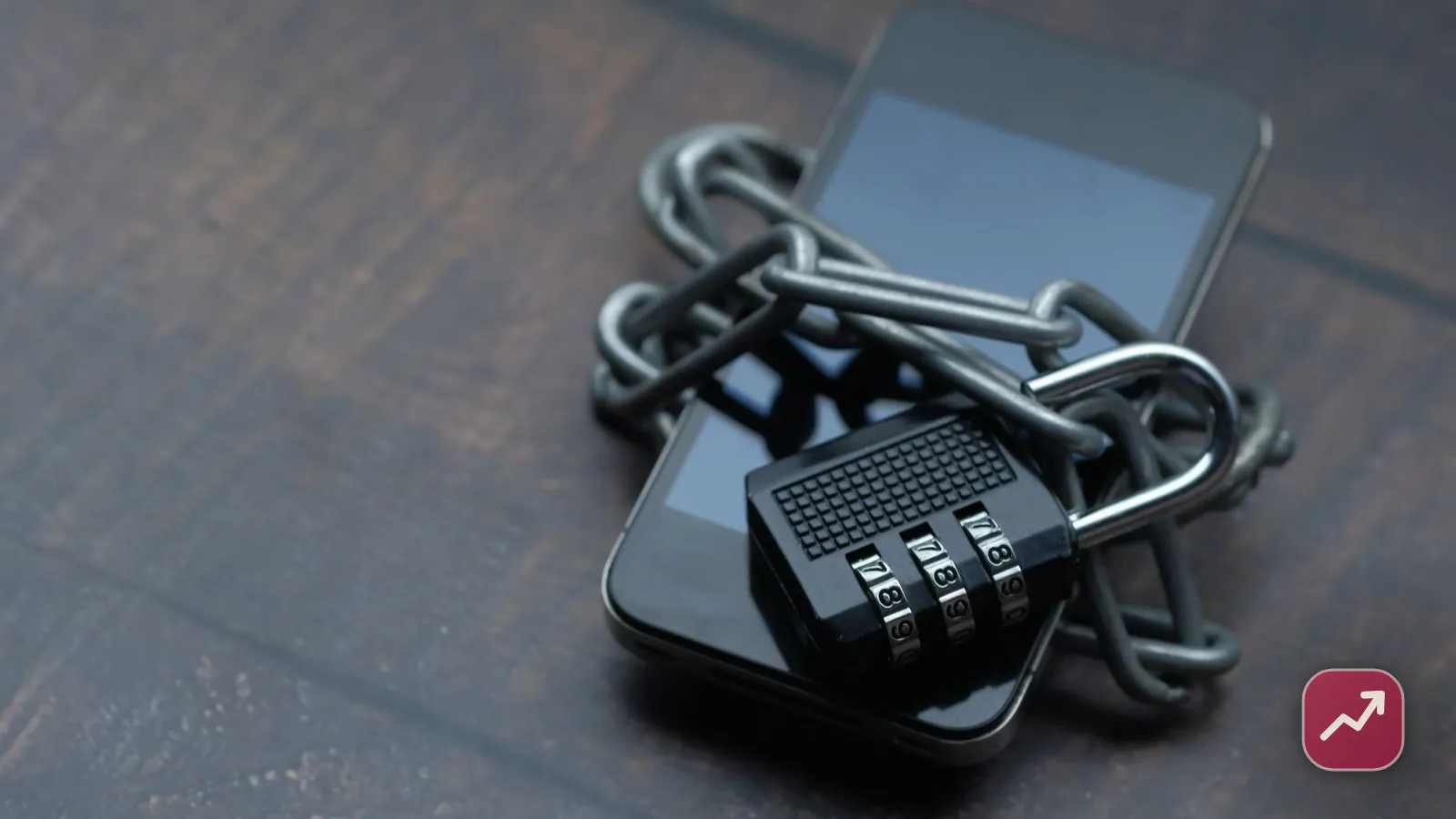
Identity theft, and why guarding against it pays off#
Identity theft is when someone uses your personal details — your Social Security number, a card number, a login, or enough scraps of data to impersonate you — to open accounts, borrow money, get medical care, or file a tax return in your name. It is different from a scam, where you are tricked into paying a fraudster yourself. With identity theft the thief acts *as* you, and you often find out only when the bills or denials arrive. Good identity theft protection is mostly a handful of cheap, one-time steps that make you a hard target, plus a clear plan to recover fast if it happens anyway.
This is not rare. Large data breaches spill millions of records a year, and that stolen data feeds a steady market for impersonation. The reassuring part is that the most powerful defenses cost nothing: freezing your credit, using strong logins, and knowing the official recovery route are all free.
This guide covers how thieves get your information, the single best preventive move, how to lock down your accounts, the warning signs to watch for, and the step-by-step plan if your identity is stolen. It also looks at Canada. As always, this is general education, not legal advice — check the current procedures where you live.
- Freeze your credit — free, and it stops new accounts cold.
- Use unique passwords + 2FA — one breach shouldn’t open every door.
- Watch for tax identity theft — an IRS PIN blocks fake returns.
- Have a recovery plan — speed limits the damage.
How thieves get your information#
The raw material of identity theft is your data, and thieves collect it in predictable ways. Data breaches at companies you use expose names, numbers and passwords in bulk. Phishing emails and smishing texts trick you into typing credentials into fake sites. Older methods still work too: stolen mail, a lost wallet, a photo of a document, or simply oversharing on social media.
You cannot control every breach, but you can shrink your exposure. The less data you hand over, the fewer places store your Social Security number, and the more suspicious you are of unexpected messages, the smaller your attack surface. Treat your personal information like cash — you would not leave that lying around either.
Freeze your credit — the single best move#
If you do one thing, do this: place a credit freeze (also called a security freeze) at each of the three major credit bureaus. A freeze blocks anyone — including you — from opening new credit in your name until you lift it, which stops the most damaging kind of identity theft cold. Since 2018 it has been free to freeze and unfreeze at all three bureaus, and you can thaw it temporarily in minutes when you actually apply for credit. The basics are covered in the overview of identity theft.
A freeze does not affect your credit score and does not stop you using existing cards or accounts. It simply means a thief cannot take out a new loan or card in your name while it is on. For most people it is the highest-value, lowest-effort protection available, and it is worth doing for every adult in the household.
Fraud alerts and checking your credit#
Two more free tools back up the freeze. A fraud alert tells lenders to take extra steps to verify it is really you; it lasts a year (seven years for confirmed victims) and you only place it at one bureau, which notifies the others. And you are entitled to free credit reports — now available weekly — which let you scan for accounts, inquiries or addresses you do not recognize.
Reading your credit file is the simplest way to catch trouble early, and it dovetails with the habits in our guide to building and monitoring your credit. Free tools and guidance at the federal consumer-protection resources explain how to read your report and dispute errors. Set a reminder to check every few months; a new account you did not open is the clearest possible sign that something is wrong.
Lock down your accounts and passwords#
Most identity theft today runs through your online accounts, so harden them. Use a unique, strong password for every account — a password manager makes this painless — so one leaked password does not unlock your email, bank and shopping accounts in a chain. Reused passwords are how a single breach becomes a full takeover.
Then turn on two-factor authentication (2FA) everywhere it is offered, preferring an authenticator app or security key over text-message codes, which can be intercepted. Finally, switch on account alerts so your bank and card issuers message you about logins and charges — early notice is half the battle.
Guard your Social Security number and documents#
In the US the Social Security number is the master key to your financial identity, so treat it accordingly. Do not carry the card in your wallet, do not read the number aloud in public, and question anyone who asks for it — often they do not truly need it. Shred documents that show it, and secure your physical mail, which still leaks a surprising amount of sensitive data.
The same care applies to other core documents: your driver’s license, passport and account statements. A photo of a document sitting in your phone’s camera roll or an email inbox is a gift to anyone who gains access. A little friction here — a locked mailbox, a shredder, a habit of saying no — removes the easiest routes a thief has.
Don’t forget tax identity theft#
One flavour of identity theft catches people off guard: tax identity theft, where a thief files a fake return using your details to grab your refund before you do. You often discover it only when the IRS rejects your real return as a duplicate. The fix is simple and free — request an IRS Identity Protection PIN (IP PIN), a six-digit code that must appear on your return, so a fraudulent filing without it is rejected.
Because refunds are money on the table, protecting your tax filing matters as much as your bank login, and it fits naturally with getting organized to file your taxes. Opting into an IP PIN, and filing early before a thief can, are two of the easiest wins in the whole identity-protection playbook.
Card fraud versus identity theft#
It helps to separate two things people lump together. Card fraud — someone using your existing card number — is annoying but usually low-stakes: US law caps your liability, and issuers typically refund unauthorized charges and send a new card. Knowing how credit cards work, including those protections, takes most of the fear out of a stolen number.
Identity theft proper is the bigger problem, because the thief opens *new* accounts in your name that you do not know exist. And neither is the same as a scam, where you are manipulated into paying — the defenses against financial scams overlap but are not identical. Working out which one you are facing points you straight to the right fix.
Warning signs your identity was stolen#
Speed is everything in identity theft, so learn the tells. Watch for bills or statements for accounts you never opened, a credit application denied for no reason you recognize, calls from debt collectors about debts that are not yours, or an IRS notice about a return you did not file. Missing mail — especially expected statements — can mean someone redirected it.
Any one of these deserves an immediate look at your credit reports. It is normal to feel a flash of "it’s probably nothing," but checking costs ten minutes and confirms it either way. Guarding the money itself — knowing your bank deposits are protected — is one layer; catching impersonation early is another.
If it happens: your recovery plan#
If your identity is stolen, act fast and in order. In the US, start at IdentityTheft.gov, the FTC’s official site, which walks you through a personalized recovery plan and generates an Identity Theft Report you can use as proof. Then freeze your credit if you have not already, file a police report for serious cases, and contact each bank or lender directly to close or freeze the affected accounts.
Keep a written log of every call and letter, and dispute fraudulent accounts with the credit bureaus in writing. The official FTC recovery service exists precisely for this — using it turns an overwhelming situation into a checklist. Most victims recover fully; the difference is how quickly they start.
For Canadians#
Canada’s toolkit is similar with different names. Report identity theft to the Canadian Anti-Fraud Centre (CAFC) and to your local police, place fraud alerts with the two credit bureaus, Equifax Canada and TransUnion Canada, then request your credit reports to check for accounts you did not open. Your Social Insurance Number (SIN) plays the role the SSN does in the US — guard it just as carefully.
One difference: Canada has no single nationwide free-freeze law like the US, though that is shifting — Ontario brought in a free credit freeze in 2025, and elsewhere the bureaus offer alerts and credit locks. The habits are identical — protect your SIN, use strong logins, watch your credit file, and report quickly — even if the specific levers vary.
Mistakes to avoid#
None of these are exotic; they are the ordinary lapses that hand thieves an opening, and each one is avoidable.
- Not freezing your credit — it’s free and stops new accounts.
- Reusing the same password — one breach unlocks everything.
- Carrying your Social Security card — leave it at home.
- Ignoring a data-breach notice — change that password now.
- Waiting to report — every day widens the damage.
- Skipping 2FA — a password alone is not enough.
The bottom line#
Identity theft protection is not about buying a product; it is a short list of free habits. Freeze your credit, give every account a unique password and 2FA, guard your Social Security number, protect your tax filing with an IP PIN, and know the warning signs. Those steps turn you from an easy target into a hard one, and they cost nothing but a little time.
If the worst happens, the recovery route is well marked — IdentityTheft.gov in the US, the Anti-Fraud Centre in Canada — and moving fast is what limits the harm. Names and agencies change from country to country, but the lesson holds everywhere: lock the doors before anyone tries them, and keep the recovery plan where you can find it.
Frequently asked questions
Frequently asked questions
They overlap but are not the same. In a scam, a fraudster manipulates you into handing over money or information yourself — you take the action. In identity theft, the criminal uses your personal details to impersonate you and open accounts, borrow money, get medical care, or file a tax return in your name, often without any action from you at all; you may only find out when the bills, denials or collection calls arrive. The defenses overlap: strong passwords, caution with unexpected messages, and guarding your personal data help against both. But identity theft has its own specific protections, above all freezing your credit so no one can open new accounts in your name, and its own recovery route through official channels. Knowing which one you are facing points you to the right fix quickly.
Educational content — not personalised financial advice.
Read next

How to Dispute a Credit Card Charge and Get Your Money Back
How to dispute a credit card charge: the difference between fraud and a chargeback for a bad purchase, the 60-day deadline under the Fair Credit Billing Act, why a credit card protects you far better than a debit card, the step-by-step process, what to do if the bank says no, and how the rules differ in Spain, France, Russia and Canada.

How to Protect Yourself From Financial Scams: Spot, Stop and Report Them
How to protect yourself from financial scams and fraud: how scams work, the most common ones today (impostor, phishing, investment and romance scams), the red flags that should always stop you, simple habits that protect you, how to guard your identity by freezing your credit, what to do if you have been scammed, and where to report fraud in the US and Canada.

Moving Abroad: What Happens to Your Taxes, Accounts and Pension
What happens to your money when you move abroad: how tax residence actually works, why US citizens keep filing wherever they live, the exclusion and the credit that prevent double taxation, states that keep taxing former residents, FBAR and Form 8938 reporting, what happens to a 401k or IRA, pensions and health cover across borders, and how leaving works in Canada, Spain, France and Russia.