Pet Insurance: Is It Worth It and How It Works
A single emergency surgery for a dog or cat can run into the thousands, and the vet expects payment on the day. Pet insurance promises to soften that blow, reimbursing most of a big vet bill for a monthly premium. But it does not work like human health insurance, it will not touch a condition your pet already has, and for a healthy animal a savings pot can beat it. Here is how pet insurance really works, what it costs, whether it is worth it, and how the rules change from one country to the next.
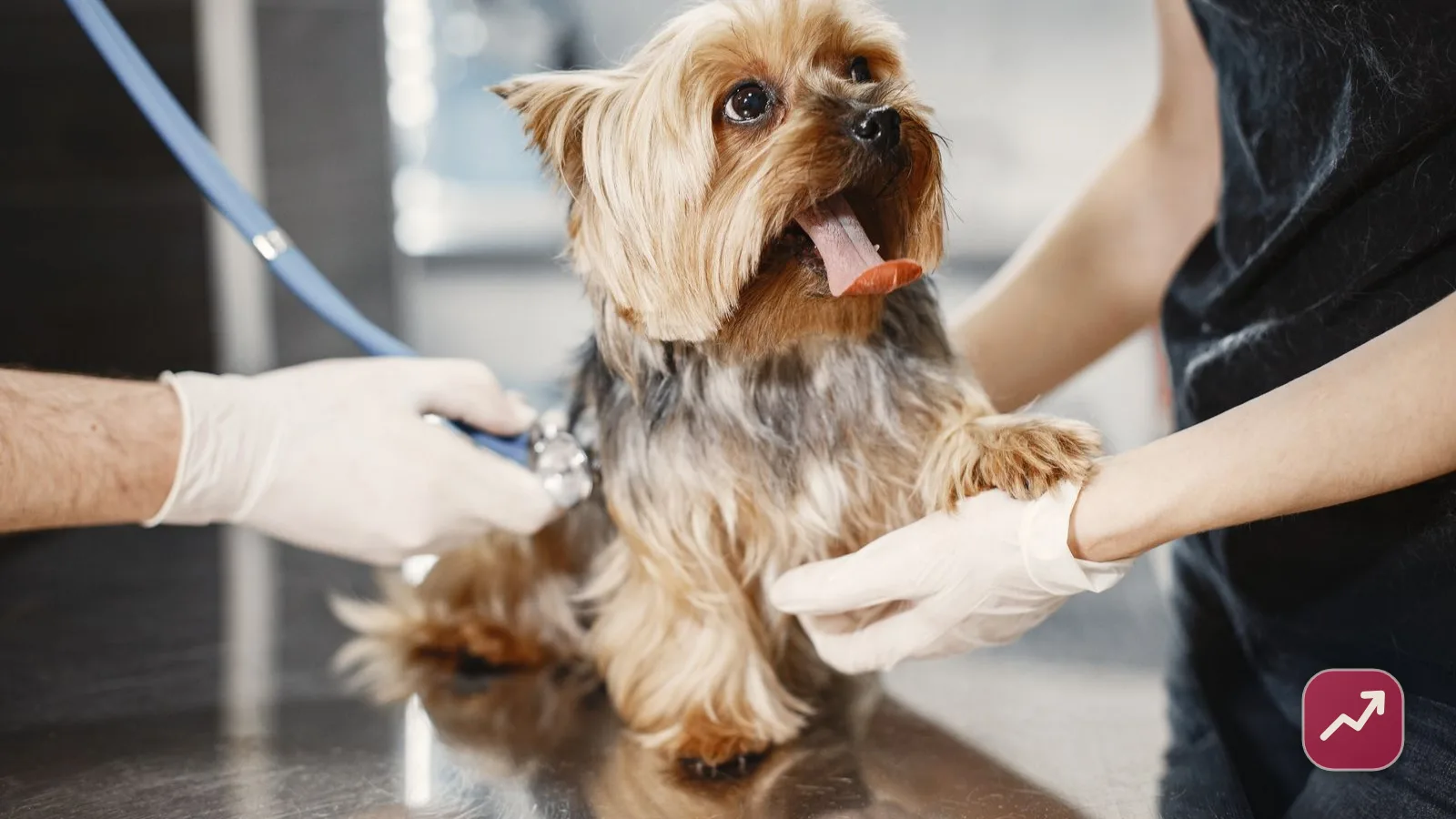
Pet insurance: is it worth it and how it works#
Anyone with a dog or cat knows the quiet dread of a serious vet bill. A swallowed toy, a torn ligament or a sudden illness can mean surgery costing thousands of dollars, and the clinic expects to be paid the same day, not after some claim is settled. Pet insurance exists to cushion exactly that shock, paying back most of a large bill in exchange for a monthly premium.
It is not a simple yes, though. Pet insurance does not work like human health cover, it will not pay for anything your pet was already sick with, and for a young, healthy animal a dedicated savings pot can do the same job for less. This guide explains how pet insurance actually works, what it covers and excludes, what it costs, whether it is worth it, and how the rules shift from one country to the next. It is general education, not financial advice.
- Pet insurance reimburses you after you pay the vet — there are no networks.
- Pre-existing conditions are excluded, so insure while your pet is young and healthy.
- You choose the deductible, reimbursement rate and annual limit — they set the price.
- A dog bite is a liability claim for your home insurance, not your pet policy.
How pet insurance actually works#
The first surprise is that pet insurance works on a reimbursement model, not the co-pay-at-the-desk system people know from human health cover. You take your pet to any licensed vet, pay the bill yourself, then submit a claim and get a percentage back. There are no networks and no pre-approved providers, as an overview of pet insurance sets out.
That means you still need the cash to pay the vet up front, which matters in an emergency. The insurance protects your finances over the medium term rather than at the counter. Once you grasp that it reimburses rather than pays directly, the rest of the product — deductibles, percentages and limits — becomes much easier to understand.
What pet insurance covers#
Most policies come in tiers. Accident-only cover is the cheapest and pays for injuries like a broken bone or a swallowed object, but nothing for illness. Accident-and-illness cover is the most popular and adds conditions such as infections, cancer, digestive problems and chronic disease, which is where the big, unpredictable bills usually come from.
On top of that, insurers sell optional wellness or routine-care add-ons that reimburse predictable costs like vaccinations, flea treatment and check-ups. These rarely save money, because they mostly return your own premiums, so the core value of pet insurance is the accident-and-illness protection against the rare but ruinous event, not the routine stuff — in the same way car insurance is really for the crash, not the oil change.
What it does not cover#
The single most important exclusion is pre-existing conditions: anything your pet has shown signs of before the policy started, or during a waiting period, is not covered. This is why insuring a young, healthy animal matters — wait until a problem appears and that exact problem will be excluded, sometimes for life.
Policies also commonly exclude routine and preventive care unless you buy the wellness add-on, along with things like breeding, cosmetic procedures and, often, pre-existing hereditary conditions. Waiting periods apply at the start, and some conditions have their own sub-limits. Reading the exclusions before you buy is the difference between real protection and a nasty surprise at claim time.
Deductibles, reimbursement and limits#
Three dials set both your price and your payout. The deductible is what you pay before cover kicks in, usually an annual amount; a higher deductible lowers your premium. The reimbursement percentage is the share of the eligible bill you get back after the deductible, commonly 70%, 80% or 90%.
The third is the annual limit, the most the policy will pay in a year, which can be a set figure or unlimited. Together these decide how much of a big bill actually lands back in your pocket: an 80% reimbursement after a $250 deductible on a $4,000 surgery returns $3,000, not the full amount. Understanding these numbers is how you compare policies honestly rather than by headline price.
How much pet insurance costs#
Premiums vary widely, but as a rough guide, accident-and-illness cover in the United States commonly runs around $60 to $65 a month for a dog and about $30 a month for a cat, with accident-only policies much cheaper. Price depends on your pet’s species, breed, age and where you live, plus the deductible, percentage and limit you choose.
The key trend is that premiums rise as your pet ages, precisely when claims become more likely, and insuring an older pet for the first time is expensive if it is possible at all. That is the core case for enrolling early and locking in cover while your pet is young and healthy, before conditions appear and premiums climb.
Is pet insurance worth it?#
Whether pet insurance is worth it comes down to how you would handle a large, sudden vet bill. If a surprise $4,000 or $5,000 surgery would be a genuine financial crisis you could not absorb, insurance buys peace of mind and turns an unpredictable disaster into a manageable monthly cost. For many owners, that alone justifies it.
If, on the other hand, you have savings and the discipline to build a cushion, the numbers are closer. Like human health insurance, it is protection against the rare catastrophe rather than a way to save money on average; over a healthy pet’s life you may well pay more in premiums than you claim, a point that veterinary bodies such as the American Veterinary Medical Association make too. The honest question is whether you are insuring a risk you truly could not otherwise cover.
The alternative: a pet emergency fund#
The main alternative to pet insurance is self-insuring: paying yourself the premium into a dedicated savings account each month and using it for vet bills. For a healthy pet this can come out ahead, because anything you do not spend stays yours, unlike premiums, which are gone whether you claim or not.
The catch is timing and discipline. A serious problem can strike before your fund is big enough, leaving you exposed in exactly the moment insurance would have helped. A sensible middle path treats a dedicated emergency fund as the first line of defence for smaller bills, while insurance handles the rare five-figure catastrophe. Whichever you choose, build the cost into your budget rather than hoping the bill never comes.
Pet insurance is not liability insurance#
A crucial and widely misunderstood point: pet insurance covers your pet’s health, not the damage your pet does to others. If your dog bites someone or causes an accident, the resulting claim is a liability matter, and in the United States it is typically covered by the personal-liability part of your homeowners or renters insurance, not by a pet health policy.
This distinction has real teeth. Home insurers may charge more, restrict certain breeds, or exclude dog-bite liability altogether, so if you own a dog it is worth checking that your home policy actually covers it. Health cover for your pet and liability cover for what your pet does to others are two separate products solving two separate problems.
How to choose a policy#
When you compare pet insurance, look past the monthly price to the mechanics. Check the reimbursement percentage, the deductible and the annual limit, then read the exclusions carefully, especially how the insurer defines pre-existing and hereditary conditions and how long the waiting periods last; consumer guidance from insurance regulators walks through what to check. Two policies at the same price can pay out very differently.
It also pays to shop around and review the cover as your pet ages, much as you would periodically shop for cheaper car insurance or compare any other policy. Enroll while your pet is young, keep records of every vet visit so nothing is wrongly labelled pre-existing, and make sure the annual limit is high enough to cover the kind of major surgery you are really insuring against.
Why the rules differ from country to country#
What counts as “pet insurance” shifts sharply across borders. In the United States and Canada it is a purely voluntary health product. In Spain, an animal-welfare law has moved toward making civil-liability insurance for dogs a legal requirement, and such cover has long been compulsory for dogs classed as potentially dangerous. In France, damage your pet causes is usually covered by the liability included in your home insurance, and separate cover is only compulsory for categorised dangerous dogs, though pet identification is mandatory.
In Russia, pet insurance remains an entirely voluntary and still-niche product focused on veterinary bills. So the same phrase can mean a voluntary health plan in one country and a legal obligation to insure against your dog causing harm in another. Wherever you are, separate the two ideas — insuring your pet’s health versus insuring against what your pet might do — and check what your own country actually requires.
The bottom line#
Pet insurance is a way to turn the terrifying, unpredictable cost of a serious illness or accident into a steady monthly premium, reimbursing most of a big vet bill so a beloved animal’s treatment is a decision about care, not cash. Its value is greatest for owners who could not comfortably absorb a sudden five-figure bill, and for pets insured young before conditions appear.
Just go in clear-eyed. Understand the reimbursement model, the deductible and the pre-existing exclusion, weigh it honestly against a dedicated savings fund, and remember that liability for what your pet does is a separate, home-insurance question. Decide deliberately, insure early if you decide to, and the worst day at the vet becomes a manageable one rather than a financial emergency.
Frequently asked questions
Frequently asked questions
Pet insurance works differently from the human health insurance most people are used to, and the key difference is that it operates on a reimbursement model rather than paying the provider directly. When your pet needs treatment, you take them to any licensed veterinarian you choose — there are no networks or pre-approved providers — and you pay the vet bill yourself, up front. You then submit a claim to your insurer, usually with the itemised invoice and sometimes your pet’s medical records, and the insurer reimburses you a percentage of the eligible costs. This means you still need to be able to cover the bill at the time, which matters in an emergency, and the insurance protects your finances over the medium term rather than at the counter. Several settings determine how much you get back. The deductible is the amount you pay out of pocket before coverage begins, typically an annual figure; the reimbursement percentage is the share of the eligible bill the insurer pays after the deductible, commonly 70%, 80% or 90%; and the annual limit is the maximum the policy will pay in a year. Policies also come in levels: accident-only, which covers injuries; accident-and-illness, the most popular, which adds illnesses like infections, cancer and chronic conditions; and optional wellness add-ons for routine care such as vaccinations. Crucially, pet insurance does not cover pre-existing conditions — anything your pet showed signs of before the policy or during a waiting period — which is why insuring a young, healthy pet is so important. Understanding the reimbursement model, the deductible, the percentage, the limit and the exclusions is the key to knowing what your policy will really do for you.
Educational content — not personalised financial advice.
Read next

Are Extended Warranties Worth It? What to Know First
Are extended warranties worth it? How service contracts work, why consumer advocates say most are a bad deal, what your manufacturer warranty and credit card may already cover, the auto-warranty robocall scam, when an extended warranty can make sense, and why Europe’s legal guarantee changes the whole calculation.

Final Expense Insurance: How Burial Insurance Works
Final expense insurance explained: how burial insurance works as a small whole-life policy, simplified issue versus guaranteed issue and the graded death benefit, how it differs from a pre-paid funeral plan, what a funeral really costs, your rights under the FTC Funeral Rule, and how the same need is met very differently abroad.

Renters Insurance: What It Covers and Whether You Need It
Renters insurance explained: what an HO-4 policy covers (your belongings, liability, and living expenses if you are displaced), what it leaves out, actual cash value versus replacement cost, whether you are legally required to have it, how much it costs, and how tenant insurance rules differ in Canada and beyond.