How Property Tax Works: Assessments, Rates and How to Lower Your Bill
Property tax is the homeowner bill that never really goes away — a yearly local tax on what your home is worth, funding the schools and services right around you. Here is how property tax actually works: how your bill is calculated, why rates vary so wildly by location, how exemptions and appeals can lower it, and how Canada handles it.
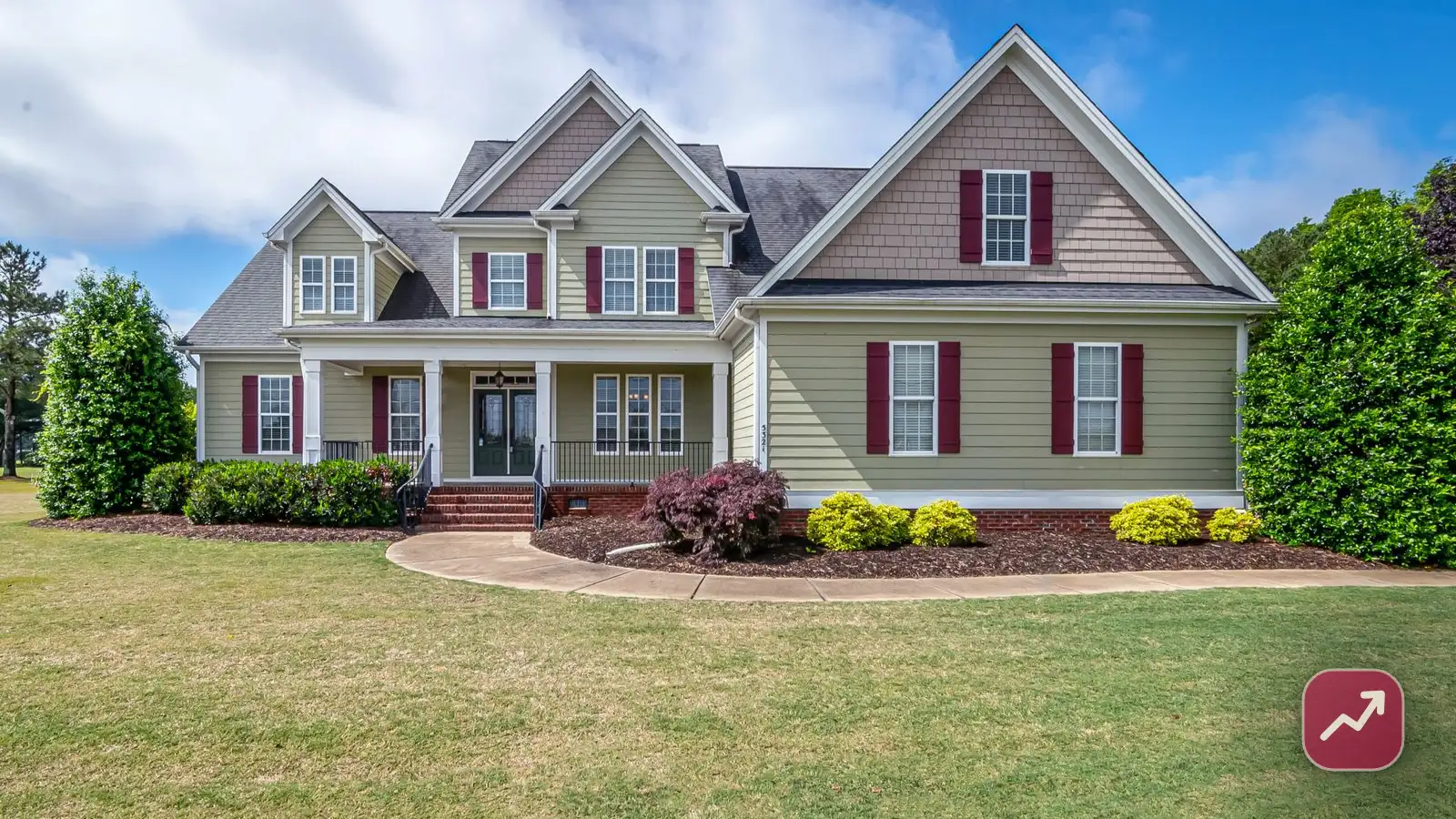
The short answer: a yearly tax on what your home is worth#
If you own a home, property tax is the bill that never really goes away. Unlike the one-time taxes you pay on buying or selling, it is a recurring annual tax on the value of your real estate, charged by your local government — county, city and school district — for as long as you own the property. Even after the mortgage is paid off, the property tax keeps coming, which is why it belongs in every honest calculation of what a home truly costs.
The amount is not random. It comes from two numbers multiplied together: the assessed value the local government places on your property, and the tax rate it sets each year. Understand those two numbers and you understand your bill — and you can see why an identical house can carry wildly different taxes depending on which town it happens to sit in.
This guide explains how property tax actually works in the US: how your bill is calculated, why rates vary so much, what the money pays for, how exemptions and appeals can lower it, and how most people pay it through escrow. It also covers how Canada handles municipal property tax. As always, this is general education, not tax advice, and local rules vary enormously — check your own county’s figures before you rely on them.
- It is local, not federal — county, city and school district set it.
- Bill = assessed value × rate — two numbers decide everything.
- Rates vary hugely by location — the same house, very different tax.
- It never ends — you owe it every year you own, mortgage or not.
How your bill is calculated#
The formula is simple: your assessed value multiplied by the tax rate. The assessed value is what the local assessor decides your property is worth for tax purposes — sometimes the full market value, sometimes a fixed percentage of it, depending on the state. The rate, often expressed in mills (dollars per $1,000 of value) or as a percentage, is set annually by each taxing authority and stacked together across the county, city and school district.
Because several local bodies each levy their own slice, your total rate is really a stack of rates. A home assessed at $300,000 in a place with a combined effective rate of about 1.1% would owe roughly $3,300 a year — but that same home could owe half as much, or twice as much, a few towns over. The Wikipedia overview of US property tax explains how assessment and millage fit together.
Why rates vary so much by location#
Property tax is the most local of taxes, and that is exactly why it is so uneven. Each jurisdiction sets its own rate to fund its own budget, so effective rates swing from well under 1% of value in low-tax states to over 2% in the highest. States like Hawaii and Alabama sit near the bottom; states like New Jersey and Illinois sit near the top. Two identical houses, one in each, can differ by thousands of dollars a year.
This is why property tax deserves a hard look before you buy, not after. A lower sticker price in a high-tax area can cost more over time than a pricier home where taxes are low — a trade-off worth running through the same lens as how much house you can afford. The tax is part of the true cost of ownership, every year, for as long as you hold the home.
What property tax pays for#
Unlike federal taxes that vanish into a national budget, property tax is strikingly close to home: it funds the local services you actually use. The biggest share almost everywhere goes to public schools, which is why school districts are usually the largest line on the bill. The rest supports police and fire departments, roads, parks, libraries, water and sanitation, and local government itself.
That local link cuts both ways. It means your taxes visibly shape your neighborhood — good schools and services often go hand in hand with higher property taxes, and with higher home values. It also means the rate reflects local choices and budgets, so moving a few miles can change both what you pay and what you get for it.
Exemptions and how to lower your bill#
Most homeowners can shave something off the bill through exemptions, which reduce the taxable value rather than the rate. The most common is the homestead exemption, which lowers the assessed value of your primary residence. Many places add exemptions for seniors, veterans, people with disabilities, and sometimes a cap on how fast the assessed value can rise each year.
These are not automatic — you usually have to apply, and many owners simply never do, leaving money on the table. It is worth checking with your county assessor which exemptions you qualify for, since they can meaningfully cut the bill year after year. Lowering property tax is one of the quieter pieces of the broader effort to reduce your taxes, and unlike many tax moves, it needs no accountant.
Appealing your assessment#
If you believe the assessor has valued your home too high, you can usually appeal. Because your bill is the assessed value times the rate, getting the value corrected downward lowers the tax directly. Appeals typically involve showing that comparable homes nearby are assessed for less, or that the assessment overstates your home’s size or condition.
There is a window to file, often shortly after assessments go out, so the key is to act promptly and bring evidence. Not every appeal succeeds, but a well-documented one on an over-assessed home can pay off for years, since the corrected value carries forward. Reviewing your assessment notice each year, rather than filing it away unread, is the habit that makes this possible.
Escrow: how most people actually pay it#
In practice, most homeowners with a mortgage never write a property-tax check directly. Instead the lender collects one-twelfth of the annual tax with each monthly payment, holds it in an escrow account, and pays the county on your behalf when the bill is due. It is why your monthly "mortgage" payment is really principal, interest, taxes and insurance rolled together.
The convenience has a catch: when your assessment or the local rate rises, the escrow shortfall shows up as a higher monthly payment, sometimes surprising owners who thought a fixed-rate loan meant a fixed payment. It is a reminder that property tax and homeowners insurance are ongoing costs riding alongside the loan, not fixed once at closing.
The federal angle: the SALT deduction#
On your federal return, property tax is part of the state and local tax (SALT) deduction — but only if you itemize, and only up to a cap. The SALT cap limits how much of your combined state and local taxes, including property tax, you can deduct. For owners in high-tax states, that cap means a chunk of the property-tax bill is no longer federally deductible, as the IRS guidance on deductible taxes sets out.
Because the cap and the rules around it can change with tax legislation, it is worth checking the current limit before assuming a deduction. For most homeowners who take the standard deduction, the SALT rules never come into play at all — but for those in high-tax areas who itemize, they shape how much the property tax really stings after federal tax.
For Canadians: municipal property tax#
Canada works on the same basic idea with different labels. Municipal property tax is set by each city or town and based on an assessed value — in Ontario, for example, assessments are handled by a provincial agency (MPAC) while the municipality sets the rate. As in the US, the money funds local services, with a large share going to schools and municipal budgets.
Rates and assessment practices vary by province and municipality, so a home in a big city can carry a very different bill from one in a small town, even at similar values. Canadians have no equivalent of the SALT deduction, but the underlying logic, set out on the Ontario government’s property tax page, is the same: an annual, local tax on the value of your property, funding the services around it. Checking your municipality’s rate is the way to know your real number.
Mistakes to avoid#
None of these are exotic. They are the ordinary oversights that cost homeowners money or cause nasty surprises, and each one is avoidable.
- Ignoring property tax when buying — it is a permanent cost, not a detail.
- Never applying for exemptions — the homestead exemption alone can help.
- Filing the assessment notice unread — you miss the window to appeal.
- Assuming a fixed loan means a fixed payment — escrow rises with taxes.
- Forgetting it outlives the mortgage — you owe it every year you own.
- Only comparing home prices — compare the tax too before you buy.
The bottom line#
Property tax is one of the most predictable and one of the most overlooked costs of owning a home. It comes down to two numbers — your assessed value and the local rate — and it funds the schools, roads and services right around you. Because it is set locally, it varies enormously, which makes it something to weigh before you buy, not just after.
The good news is that it is also one of the more manageable taxes. Claim the exemptions you qualify for, check your assessment each year and appeal if it is too high, and budget for it as the ongoing cost it is. Do that, and property tax becomes a known, plannable line in the cost of your home rather than an unwelcome yearly surprise.
Frequently asked questions
Frequently asked questions
Property tax is your property’s assessed value multiplied by the local tax rate. The assessed value is what the local assessor decides your property is worth for tax purposes — sometimes full market value, sometimes a fixed percentage of it, depending on the state. The rate, often expressed in mills (dollars per $1,000 of value) or as a percentage, is set annually and stacked across the county, city and school district. So a home assessed at $300,000 with a combined effective rate of about 1.1% would owe roughly $3,300 a year, though the same home could owe far more or less a few towns over.
Educational content — not personalised financial advice.
Read next

How to Rent an Apartment: Deposits, Leases and Your Rights
How to rent an apartment, explained simply: what you need to apply, how much deposit you pay and how to get it back, the lease and your rights as a tenant, rent increases and rent control, how to spot rental scams — and how the rules differ in Canada, Spain, France and Russia.
Mortgage Insurance and PMI: What It Is and How to Avoid It
Mortgage insurance and PMI explained: what private mortgage insurance is, why lenders require it below 20% down, what it costs, how to cancel it at 80% and 78% LTV, how FHA MIP differs, how to avoid PMI, and how mortgage insurance works in Canada and Europe.

How to Pay Off Your Mortgage Early and Save on Interest
How to pay off your mortgage early: why extra principal saves so much interest, biweekly payments, lump sums and recasting, whether to check for a prepayment penalty first, the pay-off-versus-invest decision, the mistakes to avoid, and how prepayment rules differ in Canada and beyond.