Buy Now, Pay Later: How BNPL Works and When to Use It
Split any purchase into four interest-free payments — buy now, pay later has spread from online checkouts to almost everywhere, and it can be genuinely handy or a quiet debt trap. Here is how BNPL actually works, how the companies make money, whether it touches your credit, the protections you do and don’t have, and how to use it without getting burned.
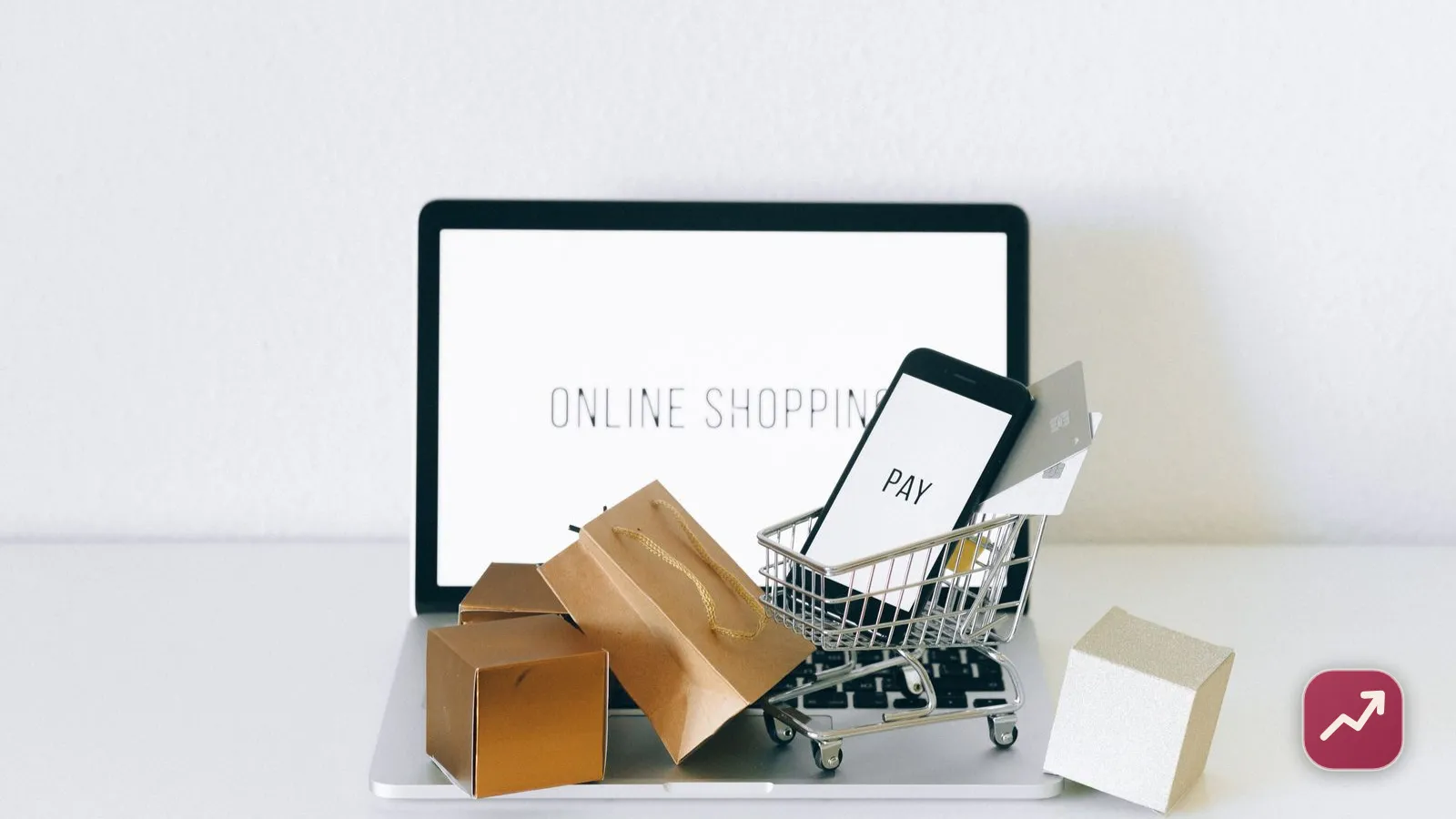
Buy now, pay later: the checkout button that splits the bill#
You have seen it at online checkout, and increasingly in shops: split this into four, pay a quarter today, the rest over six weeks, no interest. Buy now, pay later — usually shortened to BNPL — has gone from a niche online-shopping feature to a default payment button next to your debit and credit cards, and millions of people now reach for it without a second thought.
It can be genuinely useful, an interest-free way to spread a cost you were always going to pay. It can also be a frictionless slide into debt you lose track of. Which one it turns out to be depends almost entirely on how you use it, and the mechanics behind buy now, pay later are worth understanding before you tap that button.
This guide covers how BNPL actually works, how the companies make their money, whether it affects your credit, the protections you have when something goes wrong, when it genuinely helps, when to steer clear, and the simple rules for using it without getting burned. As always, this is general education, not financial advice.
- "Pay in 4" is interest-free — a quarter now, the rest over about six weeks.
- Longer plans charge interest — monthly BNPL can carry a real APR.
- It makes overspending easy — small payments hide the full price.
- Protections are weaker than a credit card, and refunds can get messy.
How BNPL works at the checkout#
The classic BNPL product is "pay in 4": you split the purchase into four equal parts, pay the first at checkout, and the provider automatically charges the other three to your card every two weeks. Done on time, it is genuinely interest-free — you pay exactly the sticker price. Approval is near-instant, with only a soft credit check or none at all, which is a big part of the appeal.
Alongside pay-in-4 sit longer monthly plans, often for bigger purchases, running three to twenty-four months — and these usually do charge interest, sometimes at rates comparable to a credit card. The interest-free version is the headline, but read which one you are signing up for, because a "pay later" plan and a "pay in 4" plan are very different products with very different costs.
How the companies make money#
If pay-in-4 is interest-free, how does BNPL pay for itself? Mostly through merchant fees: the retailer hands the provider a slice of each sale, commonly several percent, higher than a card fee, because BNPL reliably lifts sales and pushes up the average basket size. Shoppers spend more when the price is split, and merchants happily pay for that.
The other revenue streams point straight at you: late fees when a payment is missed, and interest on those longer monthly plans. So the business model rewards two things — merchants selling more, and a slice of customers slipping up or trading up to interest-bearing plans. Knowing that helps you stay on the profitable-for-you side of the deal.
Why it is so easy to overspend#
BNPL is engineered to be frictionless, and that is exactly the risk. Splitting a $200 jacket into "just $50 today" reframes the price and makes it feel affordable, which nudges people toward bigger purchases and fuller carts than they would pay for outright. The psychology is the whole point, and it works.
The bigger danger is stacking: because approval is so easy, it is simple to run several BNPL plans at once, across different providers, each with its own schedule. Four small payments feel harmless; a dozen across five apps quietly add up to a real monthly obligation that never shows up in one place. Running every plan through your monthly budget is the only way to see the true total.
Late fees and the debt you cannot see#
Miss a payment and the friendly interest-free deal changes character fast: most providers charge a late fee, and on longer plans interest can kick in, turning a bargain into an expensive way to have bought something. Set every plan to autopay from an account you keep funded, because a missed BNPL payment is an easy and avoidable mistake.
There is a subtler problem. Because many BNPL loans have not been reported to the credit bureaus, they can be invisible debt — a mortgage or car lender looking at your file may not see the six BNPL plans you are juggling, but you still owe every cent. That hidden leverage is fine until money gets tight, at which point several small payments landing at once can tip a budget over.
Does buy now, pay later affect your credit?#
For years the answer was mostly no: classic pay-in-4 plans were not reported to the credit bureaus, so they neither helped you build credit nor showed up as harm — unless you defaulted and the debt was sent to collections, which very much does damage your score. That is a poor trade: no upside for paying on time, real downside for slipping up.
This is changing quickly. Providers and the bureaus have started bringing BNPL into credit files, and new scoring models are being built to include it, so BNPL is becoming more visible to lenders than it used to be. If your goal is a stronger credit file, BNPL is still the wrong tool — a well-managed card or the steps in our guide to building credit do that job far better.
Refunds, disputes and your protections#
This is where BNPL has been weakest. When you return an item, you can be stuck still paying the installments while the refund winds its way back through the merchant and the provider, and disputing a faulty purchase has none of the well-worn machinery a credit-card chargeback gives you. Regulators have been circling BNPL, but your protections still lag a card’s.
The rules have also been moving, and not always forward. In the United States, the consumer regulator issued a 2024 rule extending some credit-card-style dispute and refund protections to pay-in-4 users, then withdrew that rule in 2025, leaving no BNPL-specific federal framework and throwing you back on general law and the provider’s own terms. The safe assumption is that BNPL protections are thinner than a card’s — keep your receipts and confirmations, and do not count on a smooth refund.
BNPL vs credit cards and personal loans#
BNPL is not the only way to spread a cost, and it is worth knowing where it sits. A credit card is revolving credit with strong purchase protections and often rewards, but it charges steep interest the moment you carry a balance — see how credit cards really work. A personal loan hands you a lump sum at a fixed rate over a fixed term, which suits a large one-off need, as our guide to personal loans explains.
BNPL slots in between: tied to a specific purchase, split into a few interest-free payments, with easy approval but weaker protection and a real temptation to overspend. For a planned buy you can pay off on time, it can beat carrying a card balance. For anything you cannot actually afford, none of the three is the answer — they just change how the bill arrives.
When BNPL actually makes sense#
Used with discipline, BNPL has a legitimate place. It fits a planned purchase you can already afford but would rather not pay for in one hit — spreading it interest-free, and paying every installment on time, genuinely costs you nothing and can be smarter than putting it on a card you would carry. It can also be the cheaper way to handle a necessary one-off than reaching for high-interest debt.
The common thread is that BNPL works when it is a convenience, not a crutch — when the money to cover every payment already exists and the split is just about timing. If you could write the cheque today and are simply smoothing the cash flow, an interest-free plan paid on schedule is a reasonable tool.
When to avoid it#
The warning signs are the mirror image. Steer clear if you are using BNPL to afford things you otherwise could not, if you are stacking several plans, or if you are reaching for it on impulse buys and wants rather than planned purchases. Using it for essentials or to cover an emergency is a red flag that the real problem is cash flow, which an emergency fund exists to solve.
Be especially wary if you are already juggling other debts. Adding a scatter of BNPL payments on top of card balances or loans makes the whole picture harder to control, and you may be better served by tackling what you owe with a clear method — our guide to debt consolidation covers how to simplify it. When BNPL is patching a hole rather than smoothing a purchase, it is making things worse.
How to use buy now, pay later safely#
If you do use BNPL, a few rules keep it on the right side of the ledger. Use it only for planned purchases you can already afford, ideally one plan at a time so the payments stay easy to track. Set autopay from an account you keep funded, read whether it is interest-free pay-in-4 or an interest-bearing plan, and add every installment to your budget so the total is never a surprise.
It also helps to lean on impartial official information on BNPL rather than the provider’s own cheerful checkout copy when you are unsure. Treat BNPL as a payment tool for money you have, not a way to borrow money you don’t, and it can be a genuinely useful, cost-free convenience rather than a slow leak in your finances.
Mistakes to avoid#
The costliest BNPL mistakes repeat themselves, and every one is avoidable.
- Stacking multiple plans until the payments lose track of you.
- Using it to buy what you can’t afford, not just to time a purchase.
- Assuming it’s always interest-free — longer plans carry an APR.
- Missing a payment and triggering late fees or interest.
- Counting on an easy refund — BNPL disputes are messier than a card’s.
- Forgetting it’s real debt just because it isn’t on a credit card.
The bottom line#
Buy now, pay later is neither the villain nor the free lunch it is sometimes made out to be. At its best it is an interest-free way to time a purchase you can already afford; at its worst it is a frictionless path to overspending and a pile of small payments you cannot see. The product hasn’t changed your finances — how you use it has.
The details differ by country — the dominant apps and, above all, the rules are evolving fast, with Europe folding BNPL into consumer-credit law and other regulators tightening up — but the discipline is universal. Only split what you could pay for today, keep to one plan at a time, automate the payments, and put every installment in your budget. Do that, and BNPL is a handy tool rather than a trap.
Frequently asked questions
Frequently asked questions
Buy now, pay later, or BNPL, is a way to split a purchase into several smaller payments at the point of checkout, online or increasingly in stores. The classic version is "pay in 4," where you divide the cost into four equal parts, pay the first immediately and let the provider automatically charge the remaining three to your debit or credit card every two weeks. Paid on time, pay-in-4 is interest-free, so you pay exactly the sticker price, and approval is almost instant with only a soft credit check or none at all, which is a big part of the appeal. Alongside pay-in-4, many providers offer longer monthly plans, often for bigger purchases, that run for several months to a couple of years and usually do charge interest, sometimes at rates similar to a credit card. So the crucial thing before you use BNPL is to know which product you are agreeing to: an interest-free short split, or a longer plan with a real annual percentage rate. Providers make most of their money from fees charged to the retailer, plus late fees and interest, which is why the checkout button is so easy to say yes to.
Educational content — not personalised financial advice.
Read next

Credit Card Rewards: How to Earn Cashback Without Overpaying
Credit card rewards explained: how cashback, points and miles work and who pays for them, the one rule that makes rewards worth it, sign-up bonuses, whether rewards are taxable, how to maximise them without overspending, and why US rewards are far richer than Europe’s because of interchange-fee caps.

Payday Loans: How They Work and What They Really Cost
How payday loans work and what they really cost: why a $15-per-$100 fee becomes an APR close to 400%, how the rollover debt trap forms, what federal and state law does and does not cap, how the rules differ in Canada, your rights as a borrower, and cheaper alternatives such as payday alternative loans and an emergency fund.

Dealing With Debt Collectors: Your Rights and How to Respond
How to deal with debt collectors in the US: your rights under the FDCPA, how to make a collector validate the debt, the Regulation F limits on how often they can call, the zombie-debt trap of old time-barred debt, how to spot fake-collector scams, and what to do if the debt really is yours — all without being harassed or bullied.